Closed Doors.

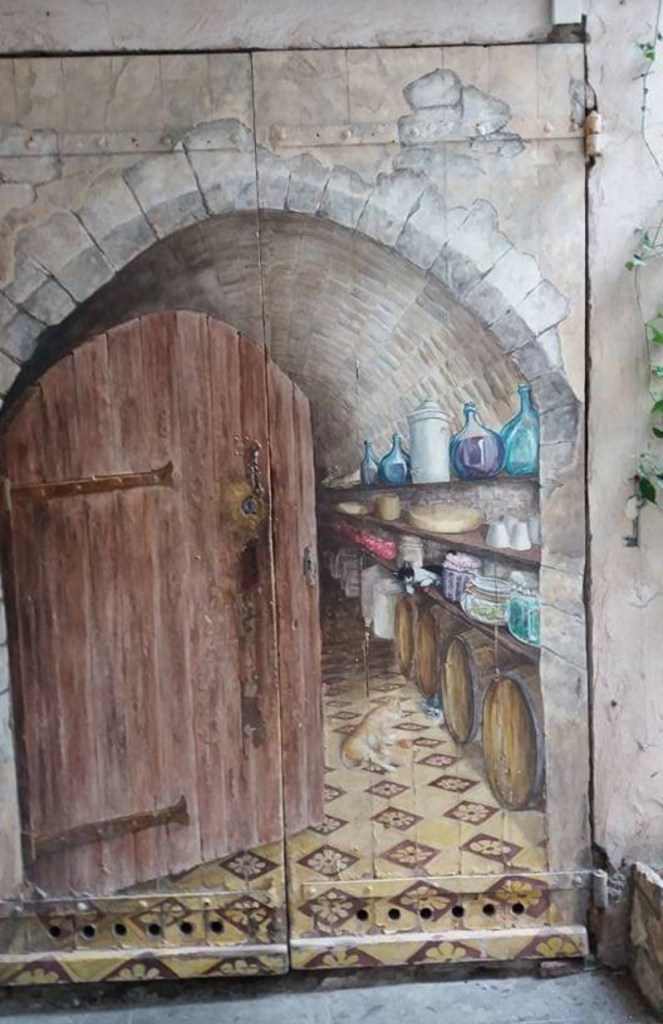
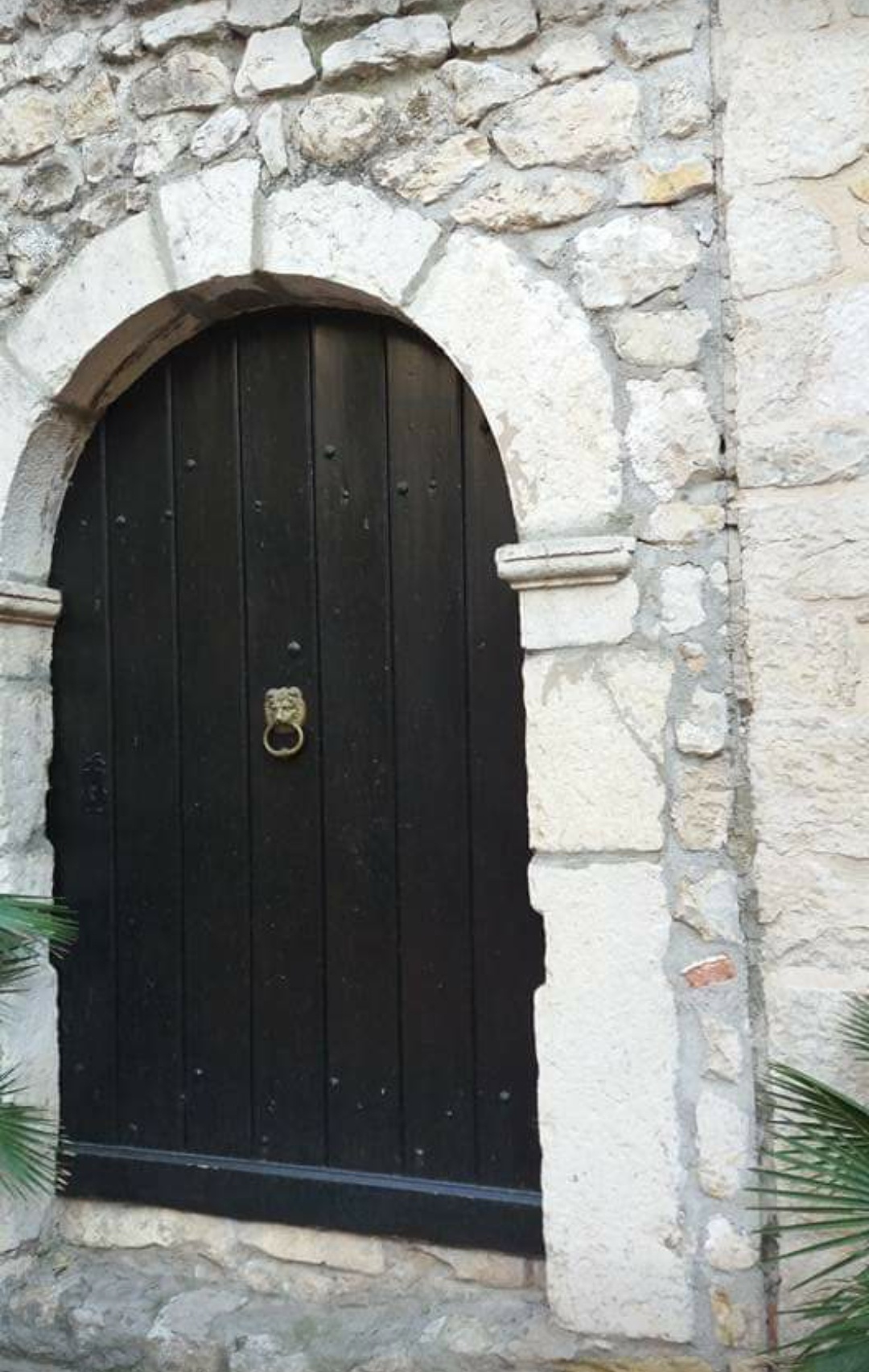
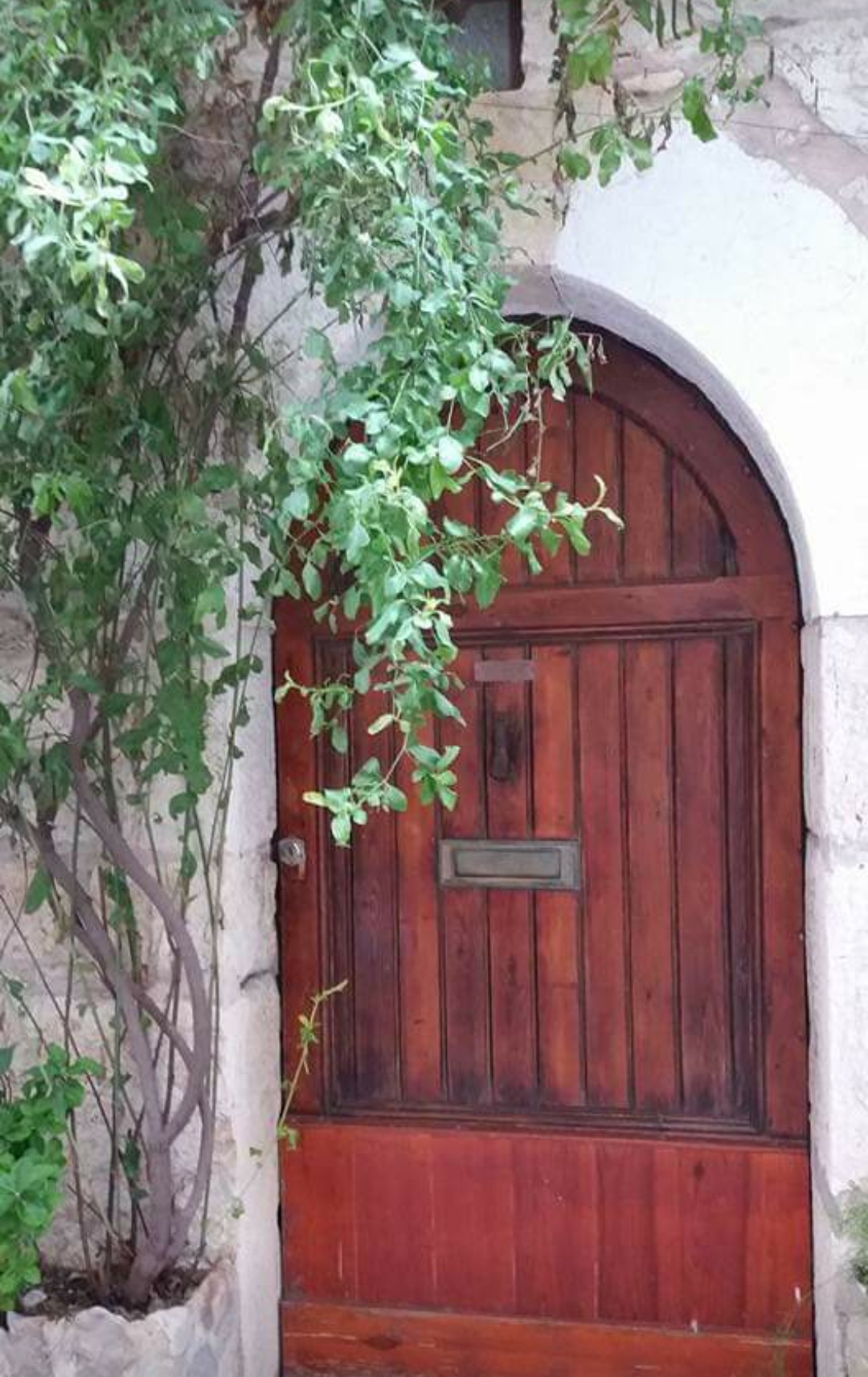
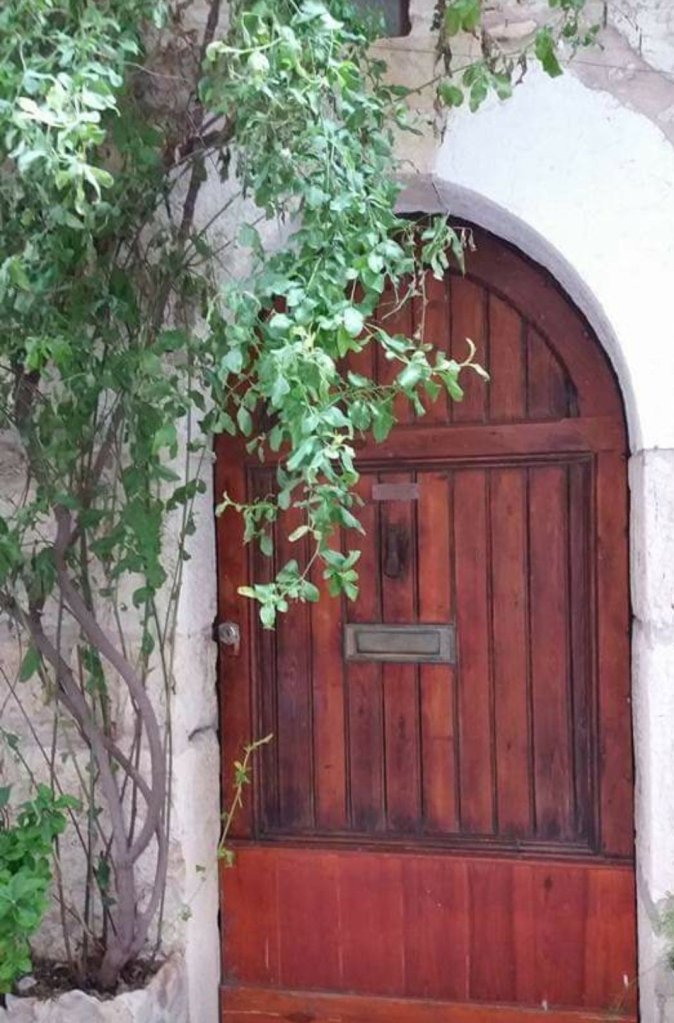
The doors were closed. All the doors in this little sleepy town in France were closed the day I went knocking. Perhaps they had all retired after a night filled with revelry. Perhaps they had all gone to the church together. The list of ‘perhaps’ could be endless. Yet through those closed doors I saw the people within, in my imagination. I saw them huddled around the parlour. I saw them busy in the kitchen preparing a casserole. I saw the ailing grandmother in her bed waiting for someone to enter her room. I saw the young lovers lying in bed sleeping peacefully in each other’s arm. I saw the father in his sixtees wearing a perpetual frown as he read the news paper. I saw the baby in her cot smiling at absolutely nothing. I saw the mother immersed in a book next to the cradle. These closed doors told me a hundred stories about the people living behind them in this little sleepy town. Every closed door is an assurance of life within waiting for a knock.

As I walked away from those closed doors I thought of you. Did you come knocking on my door or was it someone else. Did you wait for me on the other side or did you just walk away. Did you come to wake me up or for forever to stay. My questions will keep knocking on my door for the waiting is always endless.

The Chair.

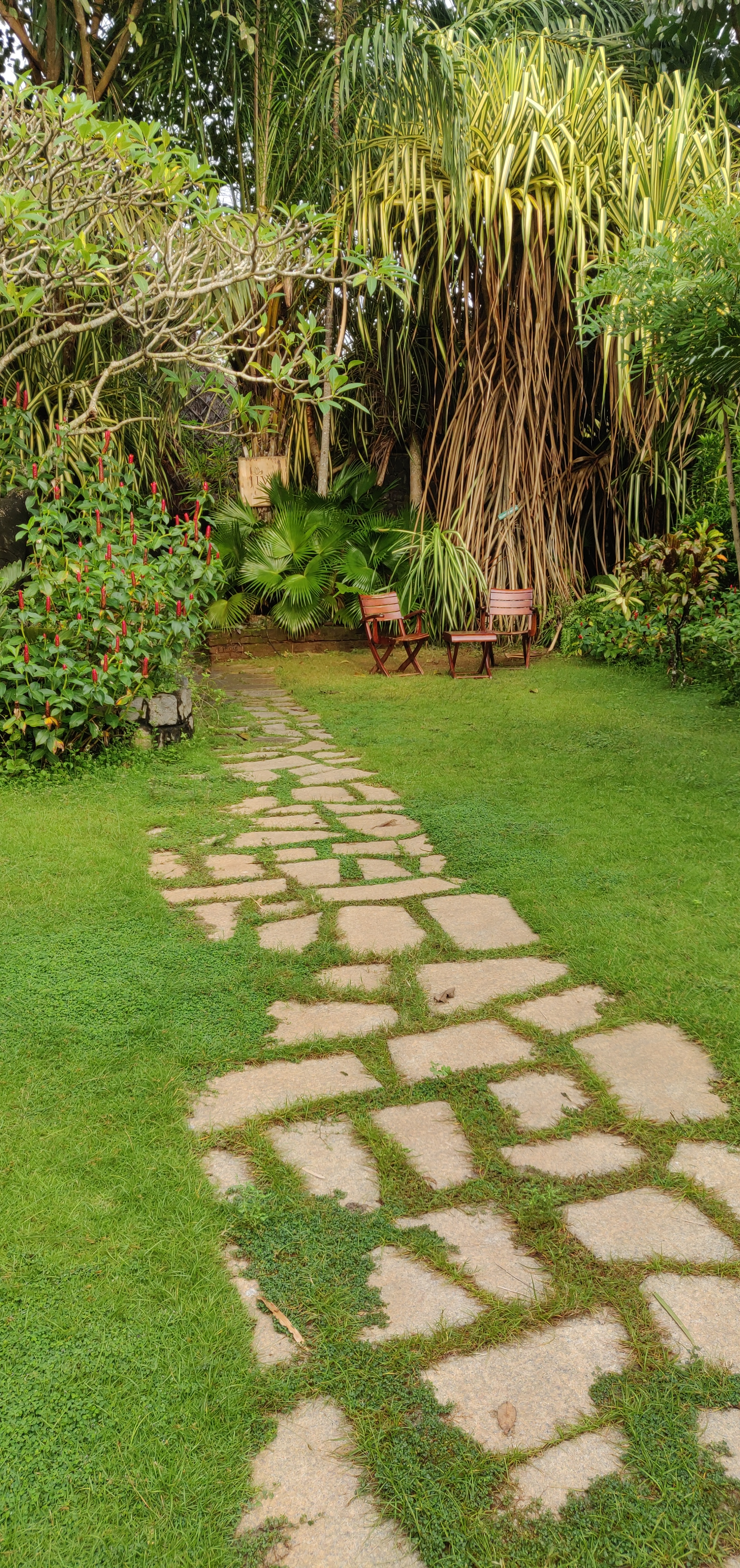
I want to sit on that chair and sip a cup of coffee. The other chair will remain empty, absolutely empty. In my imagination I can make anyone sit on that empty chair, a friend, a celebrity, perhaps a stranger, or just my muse. I will have a conversation without words. I will smile but only with my eyes. My coffee cup will get cold but I won’t get up to refill it. The slow lazy winter afternoon will get hazy as evening will descent. I will keep sitting on my chair in silence watching the grass turn dark. The empty chair will slowly get wet with the soft tears of winter. The cold wind will gently pass by sending a shiver down my spine. I will hug myself for warmth. The chill will start setting into my bones. And then with a sigh I will rise from the chair with the unfinished coffee cup in hand to walk down those marked path. I will return to my room. The chair will be empty once again. Once again the chair will wait for someone to come and sit and share their stories with it.

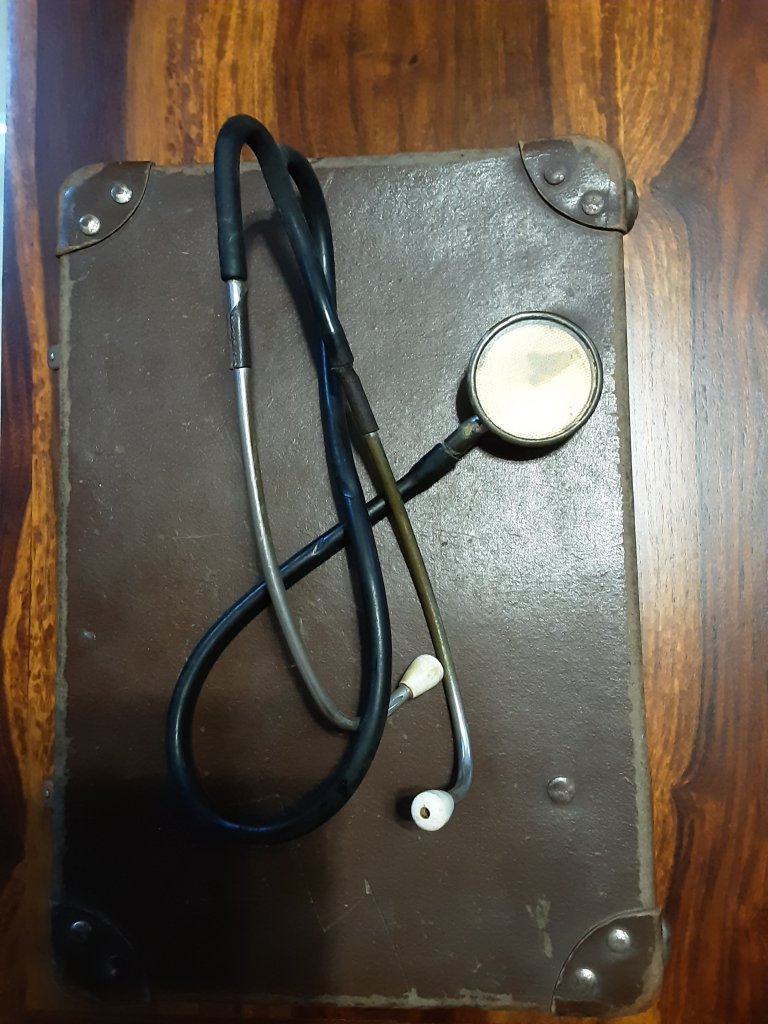
The Stethoscope Of Heartbeats.

I am a doctor’s daughter. When your father is a doctor, you grow up amidst stories of patients, patient behavior,  diseases , medical representatives and loads of medical  journals all over the house. I don’t recall ever wishing my father on doctor’s day , father’s day, or even on his birthday.  My father fell ill, very seriously ill twenty five years ago, and the medical  profession he had lived for couldn’t give him a second  chance. So I miss him ever since, I miss him everyday and on these special days I want him to know that  “Baba, you were special “. I want to write about a few of the stories I have grown up hearing . They are the sweet and sour stories of a doctor who chose to practice medicine in a small town instead of shifting to the big city.

Warisaliganj was the name of the place where my parents lived,  the place where I grew up till I had to be sent away to Kolkata for better education. Kolkata made me the person I am today but my fondest memories still go back to that small place called Warisaliganj. But this story is about Baba and his patients.

Since the town was very small Baba had opened  a pathological laboratory within the premises of his chamber. Little did he know that one of his naive patient would one day land up with a ‘mithai ka handi’ filled with his morning job’s  sample and place it on the doctor’s table with a victorious smile. Baba had just about started scolding the person for getting him rasgulla when he was stopped short and was told about the contents within the handi, it was a sample for the path-lab! Needless  to say what happened after that ,but my poor Baba lost his appetite for handi full of rasgulla forever.

In the seventies, the small towns and villages of Bihar were often attacked by dacoits in true Gabbar Singh style. The ‘gaon walo ‘ would run indoors, shut all doors and windows and wait for the bombarding  to stop , which was an indication that the  dacoits had left. No one ever dared open a door or come out to help anyone. But a doctor’s door is open at all times without any discrimination towards the patients. One such night, when the dacoits were raiding our town , amidst  bombardment someone rang our bell loud and sharp and insistently. Baba opened the door, only to find two armed dacoits in black clothing with their faces masked standing there. They had not come to rob us, we were not wealthy enough to be robbed ! They had come to take Baba to their adda/ thikana ( whatever you may call it ) to treat a fellow dacoit who had suffered  bullet injuries. Yes, my Baba had to go that night with the dacoits. They blind folded him before starting their jeep. I still remember the extreme agony and tension Ma went through that night, though quite young I too stayed up the night with Ma waiting for Baba to come back home. Baba returned home in the early hours of the morning .Though such incidents were never again repeated in our life but Baba loved to recall this hair raising experience in light jest and call himself “Daku ka Doctor.”

If poverty is a curse, being poor and sick is a bigger curse. I understand now the immense sense of purpose Baba must have had to spend his life amidst the poor, to give them access to healthcare they otherwise might not have received. He spent many nights in small huts to be next to his ailing patients. His resources as a doctor were not many in that small town. Many patients had to be referred to the bigger hospitals in the adjoining district towns, but Baba stayed on with grit and determination. Another extreme story of poverty had left its mark on my childhood  memory. During a house visit to a seriously ill patient Baba noticed the man of the house leaving  home stealthily with ‘pital ‘ utensils. On being asked he admitted of not having any money, he planned to sell his utensils to pay for the medicines. Baba paid the medicine bills for many such patients. He had set up an arrangement with the medicine shop. He would write the word “free patient” on top of the prescription,  this was a code for  the shopkeeper to understand that the bills would be paid by the doctor himself and not the patient party. His diagnostic expertise and selfless dedication made him the most famous doctor amongst many districts of Bihar. People thronged from far and wide for their faith in his medicine.  What Baba earned in cash fell short to what he earned in kind. He earned trust, he earned goodwill, he earned the blessings of people who didn’t have much to give.

These stories were not meant for the world to know,  these  stories were not meant to sing his praise. These stories are of my Baba, who just lived a simple life being truthful to the oath he had taken once as a medicine man. Ending my story here with a last funny note. When my Baba and Ma left Warisaliganj and came back home to Kolkata to start their retired life, his chamber did not shut down. Baba’s very accomplished  compounder continued  practicing ( as a quack doctor ) in the same chamber with “Dr. Chakladar” written on the board. Many admonishing letters were sent his way, whether to any avail or not, we do not know.

Thank you Doctors, health care providers, and scientists.  Thank you for holding our hands all through the pandemic raging days. A big salute to our real life super-men and super-women.

āύāĻŋāĻ°ā§āĻŦāĻžāϏāύ

āϤ⧁āĻŽāĻŋ  āύāĻŋāĻ°ā§āĻŦāĻžāϏāύ⧇ āϗ⧇āϛ⧋, āĻ āϤ⧋āĻŽāĻžāϰ āĻ¸ā§āĻŦ⧇āĻšā§āĻ›āĻž āύāĻŋāĻ°ā§āĻŦāĻžāϏāύāĨ¤
āĻ•āĻĨāĻžāϰ āϕ⧋āϞāĻžāĻšāϞ āĻĨ⧇āϕ⧇ āύāĻŋāĻ°ā§āĻŦāĻžāϏāύ, āύāĻŋāϰāĻ¨ā§āϤāϰ āĻ—āϤāĻŋ āĻĨ⧇āϕ⧇ āύāĻŋāĻ°ā§āĻŦāĻžāϏāύ
āύ⧀āϰ⧋āĻ— āĻšāĻ“āϝāĻŧāĻžāϰ āύāĻŋāĻ°ā§āĻŦāĻžāϏāύ, āĻĒā§āϰāĻŋ⧟ āϜāύ āϕ⧇ āĻ­āĻžāϞ āϰāĻžāĻ–āĻžāϰ āύāĻŋāĻ°ā§āĻŦāĻžāϏāύ
āϤ⧁āĻŽāĻŋ  āύāĻŋāĻ°ā§āĻŦāĻžāϏāύ⧇ āϗ⧇āϛ⧋, āĻ āϤ⧋āĻŽāĻžāϰ āĻ¸ā§āĻŦ⧇āĻšā§āĻ›āĻž āύāĻŋāĻ°ā§āĻŦāĻžāϏāύāĨ¤

āϤ⧋āĻŽāĻžāϰ āĻ…āĻ¨ā§āϤāϰ⧇ āϞ⧁āĻ•āĻŋā§Ÿā§‡ āĻĨāĻžāĻ•āĻž āĻ—ā§‹āĻĒāύ āϝāϤ āĻŦā§āϝāĻžāĻĨāĻž,
āϤāĻžāĻĻ⧇āϰ āϏāĻžāĻĨ⧇ āĻšāĻŦ⧇ āφāϜ āύāϤ⧁āύ āĻ•āĻŋāϛ⧁ āĻ•āĻĨāĻžāĨ¤ 
āϜāϰāĻž āĻœā§€āĻ°ā§āϪ⧇āϰ āωāĻ°ā§āϧ⧇ āωāϠ⧇ āĻœā§āĻŦāϞāĻŦ⧇ āϝ⧇āĻĻāĻŋāύ āφāϞ⧋
āύāϤ⧁āύ āϏ⧂āĻ°ā§āϝ⧇āϰ āĻ›āϟāĻžāϝāĻŧ āĻšāĻžāϰāĻŋā§Ÿā§‡ āϝāĻžāĻŦ⧇ āφāρāϧāĻžāϰ āϰāĻžāϤ⧇āϰ āĻ•āĻžāϞ⧋āĨ¤

āϤ⧋āĻŽāĻžāϰ āϘāϰ⧇āϰ āĻŦāĻžāχāϰ⧇ āϘ⧁āϰ⧇ āĻŦā§‡ā§œāĻžā§Ÿ āϤ⧋āĻŽāĻžāϰ āϛ⧋āϟ āĻŽā§‡ā§Ÿā§‡
āĻŦāĻ¨ā§āϧ āĻĻāϰāϜāĻžāϰ āĻĒāĻŋāĻ›āύ⧇ āϤ⧋āĻŽāĻžāϰ āωāĻĒāĻ¸ā§āĻĨāĻŋāϤāĻŋ āĻ–ā§‹āρāĻœā§‡ āĻšā§‡ā§Ÿā§‡ āĻšā§‡ā§Ÿā§‡
āϤ⧋āĻŽāĻžāϰ āϘāϰ⧇āϰ āϜāĻžāύāϞāĻž āĻĻāĻŋā§Ÿā§‡ āĻĻ⧇āĻ–āĻž āϝāĻžā§Ÿ āϝ⧇ āĻŽāĻžāϧāĻŦā§€ āϞāϤāĻž
āĻšāĻ“ā§ŸāĻžāϰ āϟāĻžāύ⧇ āĻŦāϝāĻŧ⧇ āφāύ⧇ āϰ⧋āϜ āĻŽāϧ⧁āϰ āĻĢ⧁āϞ⧇āϰ āĻŽāĻžāĻĻāĻ•āϤāĻž
āφāϜ āϏ⧇āχ  āϏ⧁āĻŦāĻžāϏ⧇ āϤ⧋āĻŽāĻžāϰ āĻĒā§āϰāĻžāϪ⧇ āϜāĻžāϗ⧇ āύāĻž āϕ⧋āύ⧋ āφāĻļ
āĻ—āĻ¨ā§āϧ⧇ āϤ⧋āĻŽāĻžāϰ āϘāϰ āĻ­āϰ⧇ āϝāĻžā§Ÿ, āĻšā§‹āϖ⧇āϰ āϜāϞ⧇ āĻāĻžāĻĒāϏāĻž āϚāĻžāϰāĻŋāĻĒāĻžāĻļāĨ¤

āϰāĻžāϤ  āϜāĻžāĻ—āĻž āĻāĻ• āĻĒāĻžāĻ–āĻŋāϰ āĻĄāĻžāϕ⧇ āϤ⧁āĻŽāĻŋ āĻ•āĻŦāĻŋāϤāĻž āϞ⧇āĻ–ā§‹
āĻāĻ•āĻž āϘāϰ⧇āϰ āĻŦāĻŋāĻ›āĻžāύāĻžā§Ÿ āϤ⧁āĻŽāĻŋ āĻ¸ā§āĻŦāĻĒā§āύ āĻ­ā§‹āϰ⧇āϰ āĻ›āĻŦāĻŋ āφāρāϕ⧋
āϤ⧁āĻŽāĻŋ āĻŦ⧇āϰāĻŋā§Ÿā§‡ āĻĒāϰāĻžāϰ āĻ¸ā§āĻŦāĻĒā§āύ āĻĻ⧇āĻ–ā§‹, āϞāĻ•ā§āώ āϜāύ⧇āϰ āĻ­āĻŋāĻĄāĻŧ⧇āϰ āĻŽāĻžāĻā§‡
āϤ⧁āĻŽāĻŋ  āϜ⧜āĻŋā§Ÿā§‡ āϧāϰāĻžāϰ āĻ¸ā§āĻŦāĻĒā§āύ āĻĻ⧇āĻ–ā§‹, āϏāĻ•āĻžāϞ āĻŦāĻŋāϕ⧇āϞ āύāϤ⧁āύ āϏāĻžāĻœā§‡
āĻĒāĻžāĻšāĻžā§œ āĻļ⧇āώ⧇āϰ āωāĻĒāĻ¤ā§āϝāĻ•āĻžāϝāĻŧ, āύāĻĻā§€ āϝ⧇āĻ–āĻžāύ⧇ āĻĻā§Œā§œā§‡ āĻŦā§‡ā§œāĻžā§Ÿ
āϤ⧁āĻŽāĻŋ āϰāĻžāĻŽāϧ⧇āύ⧂ āϰāĻ™ āĻŽāĻžāĻ–āĻŋāϝāĻŧ⧇ āĻ—āĻžāϝāĻŧ⧇, āϛ⧁āϟāĻ› āϝ⧇āύ āϰāĻŖāĻĒāĻž āĻĒāĻžāϝāĻŧ⧇āĨ¤

āϤ⧁āĻŽāĻŋ  āύāĻŋāĻ°ā§āĻŦāĻžāϏāύ⧇ āϗ⧇āϛ⧋, āĻ āϤ⧋āĻŽāĻžāϰ āĻ¸ā§āĻŦ⧇āĻšā§āĻ›āĻž āύāĻŋāĻ°ā§āĻŦāĻžāϏāύ
āϰāĻŖāĻ•ā§āώ⧇āĻ¤ā§āϰ⧇ āϝ⧁āĻĻā§āϧ āĻ•āϰ⧇ ,āφāϰ āĻĻ⧁āĻŸā§‹ āĻĻāĻŋāύ āĻĨāĻžāĻ•āĻŦ⧇ āϘāϰ⧇,
āϝ⧇āĻĻāĻŋāύ āϤ⧁āĻŽāĻŋ āĻĻāϰāϜāĻž āϖ⧁āϞ⧇ āĻĄāĻžāĻ•āĻŦ⧇ āϤāĻžāϕ⧇ āϕ⧋āϞ⧇āϰ āĻ•āĻžāϛ⧇
āϛ⧁āĻŸā§‡ āĻāϏ⧇ āϤ⧋āĻŽāĻžāϰ āĻŽā§‡ā§Ÿā§‡ āϞ⧁āĻ•āĻŋā§Ÿā§‡ āĻĒ⧜āĻŦ⧇ āĻŦ⧁āϕ⧇āϰ āĻŽāĻžāĻā§‡āĨ¤

āϤ⧁āĻŽāĻŋ  āύāĻŋāĻ°ā§āĻŦāĻžāϏāύ⧇ āϗ⧇āϛ⧋, āĻ āϤ⧋āĻŽāĻžāϰ āĻ¸ā§āĻŦ⧇āĻšā§āĻ›āĻž āύāĻŋāĻ°ā§āĻŦāĻžāϏāύ
āϤ⧁āĻŽāĻŋ āĻŦ⧁āĻ• āĻ­āϰ⧇ āύāĻŋāĻļā§āĻŦāĻžāϏ āύ⧇āĻŦ⧇, āĻ āĻ–ā§‹āϞāĻž of āĻŦāĻžāϤāĻžāϏ āϤ⧋āĻŽāĻžāϰ 
āϤ⧁āĻŽāĻŋ  āĻŽāĻžāύ⧁āώ⧇āϰ āĻĒāĻžāĻļ⧇ āĻ—āĻŋā§Ÿā§‡  āĻĻāĻžāρ⧜āĻžāĻŦ⧇, āĻ āĻĒ⧃āĻĨāĻŋāĻŦā§€ āϏāĻŦāĻžāϰ
āϤ⧁āĻŽāĻŋ  āύāĻŋāĻ°ā§āĻŦāĻžāϏāύ āĻĨ⧇āϕ⧇ āĻĢāĻŋāϰ⧇āϛ⧋, āϏ⧇ āĻ›āĻŋāϞ āϤ⧋āĻŽāĻžāϰ āĻ¸ā§āĻŦ⧇āĻšā§āĻ›āĻž āύāĻŋāĻ°ā§āĻŦāĻžāϏāύ āĨ¤

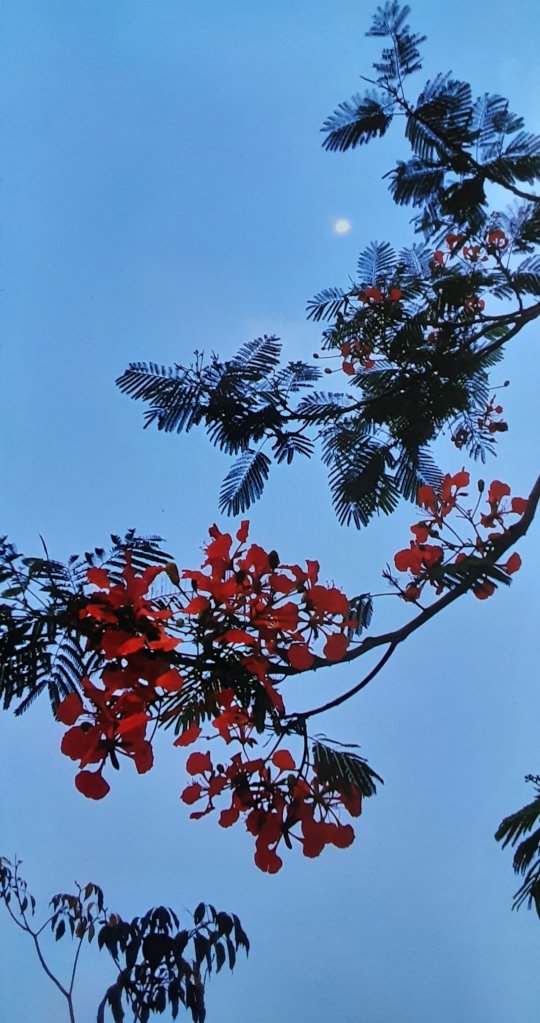
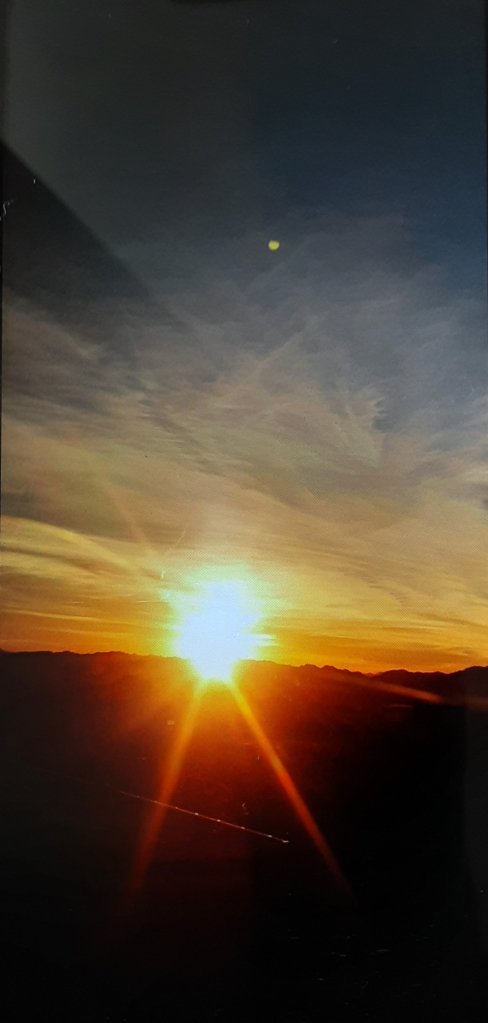
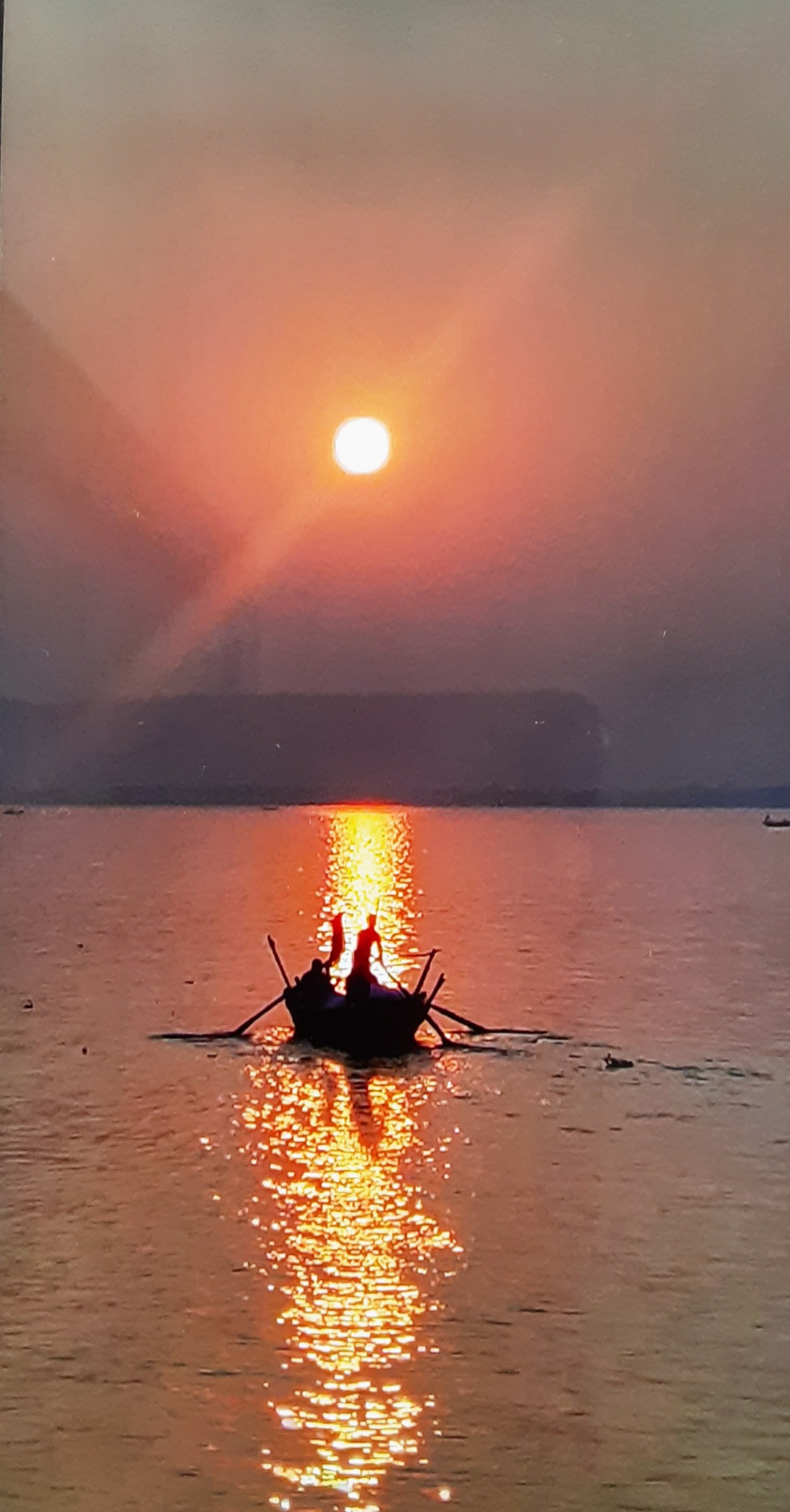
Hope of dusk

The nights were sombre, days were grim,
Dawn was clothed like sleep’s old pimp.
The thoughts were crowded, smiles were hidden,
Laughter was scarce, perhaps forbidden.

I walked a mile to meet the dusk.

The children had forgotten to run and play,
Parents had locked them in homes to stay.
The neighbors were fearful, doors were shut,
The houses looked barren like some abandoned hut.

I walked  a mile to meet the dusk.

The friends had left, families had forgotten,
Humanity was alone waiting to be rewritten.
The sick were in pain, breathing was not easy,
Yet the air flowed freely, light and breezy.

I walked a mile to meet the dusk.

Dusk was filled with birds chirping sound,
A joyous melody of hearts homeward bound.
Dusk cradled in its arms the sun and moon,

Dusk showered the earth with a celestal boon.

I walked a mile to meet the dusk.

Dusk was waiting for me at the bend of lane,
Holding in one hand, a sun set framed.
Dusk showed me in that beautiful light,
A hope for tomorrow, burning ever so bright.

I had walked a mile to meet the dusk.

A Golfer’s Wife

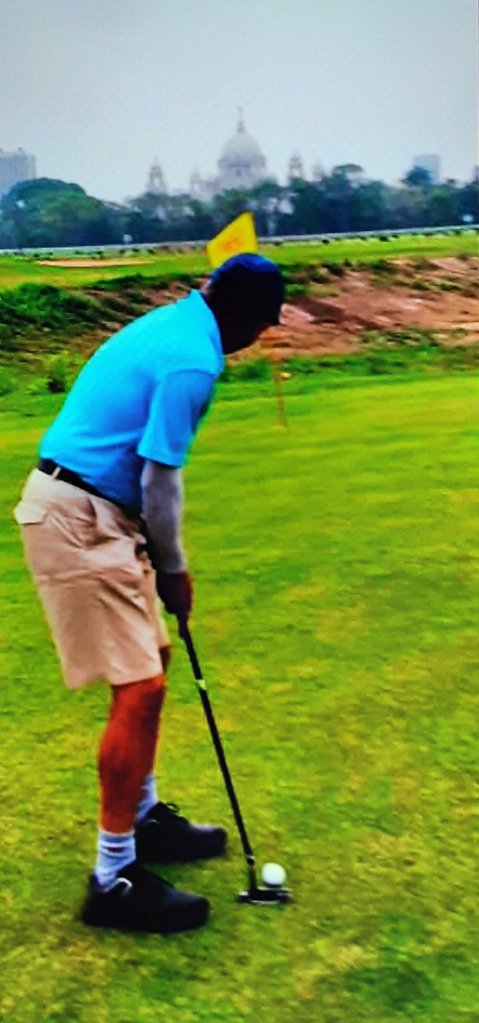
Being a golfer’s wife is a very different game from being just a wife. Trust me on this one for I have been both, the former title has come to my life in more recent times. The perils of being a wife (without the affix) is a lot easier. Women have been  trained to play a wife’s role by generations of mothers and grandmothers. We are socially conditioned for this role more than any other. Of course we can always chose to be a good wife or not ! The sudden transition from a wife to a golfer’s wife had its own challenges for me. No one in my family had ever played golf before and in my middle class upbringing the tiger always lived in the woods and not in the husband’s dreams.

When the husband retired from active services of one kind ( the one where he got paid)  my expectations of him joining active services at home as my intern increased many folds. I have been toiling at the home front alone for a pretty long innings and my tired bones longed for help. For the first few weeks I took to pampering the retired  man of the house ( old habits die hard). Then I thought of familiarizing him with the place called  home, and explaining the finer nuances of home management. But when the man learnt that in this new job description words like incentives, bonus, gratuity were completely missing he immediately started looking for greener pastures elsewhere. He decided to chose golf over the nondescript job offer I had for him.

The sequence of events that followed after this was way beyond my control or anticipation.  A love affair of another kind started brewing . The love of a sportsman with his sport. The grass surely looked greener on the other side ! The golf set arrived home even before  I could  learn to spell  Decathlon. Membership to various clubs , finding the right golf partner , a good coach, all this happened in lightning speed .My otherwise  tranquil married life of three decades and counting suddenly sensed the threat with a partnership of another kind where “love all” could  never be the score.

The first day the golfer husband brought his new golf set home, his euphoria and happiness was childlike. And quite like a child he soon started swinging the golf sticks ( yes, that is what I had called it then, for the first and last time ) in mid air in our living room.  While I sat watching him with my heart in my mouth, in constant  fear that he would  knock over something or the other, he played on. A friend of my golfer had tried  scoring a ‘birdie’ in his living  room  which ended in a shattered chandelier and an angry bird ( oops, I mean wife ) tale.

That the grass was greener on the other side, I had long accepted,  but his love for the greens had started making me a little green with envy. His eyes had already seen beauty elsewhere. Like an anticipating lover in waiting, the first change that I noticed in my husband was his restlessness to hit the greens. His night sleep got altered, he started waking up before the sun to get ready and reach the golf course at dawn. What followed for the rest of the day was a man who had hit the snooze button by mistake ! My impatience and his patience grew in reverse order. I knew there was no stopping a man in love, albeit with a sport. Little did I know that my bewilderment had just begun.

To appreciate any sport one has to have a lot of patience , focus, time , energy and discipline. I was not playing the sport but I had to practice patience to cope with the long hours of his absence from home. To understand golf I had to relearn some sporting facts. I am told golf is an individual sport, where a person plays with oneself, but when two or more people play at the same time they are playing two balls, three balls and so on. Hmm, so people become ball and then there is this guy running  around finding your balls, I mean the real ball. Confusing, right? In short what I understand is that ‘you need a lot of balls to play a good game of golf’. It surely is a different ball game altogether ! In every other sport that I have ever taken any interest in, the score card  has taught me that the more numbers on the board the closer you are to victory, but in golfing it is just the  opposite,  less is more and it is literally true. I am surely and definitely lost with this tiger in the woods story.

I am no fan of word play ! But to understand  the terms of golfing word play does play a role. Why else would a golfer go to a golf club to play with a golf club, to fathom this clubbed factor I get a little more than curious. The club is a club only to begin with, the more you get into the game the ‘wood’, the ‘iron’ and the ‘putter’ claim individuality.  A golfer can use them technically to score a ‘birdie’ or an ‘eagle’ and even a ‘turkey.’ While the golfers play with the birds on ground I almost hear an ‘albatross’ flying away in the blue sky shrieking ‘bogey’. Golfers too are birds of a feather, and they ‘flick’ together morning ,noon and evening. Like a flock of birds they are seen together but to give wings to their balls they fly solo. Indeed birds fly better than balls, but the elegance of a smooth shot and a tiny white ball rising from the green ground high in the air and landing with perfection calls for applaud.

To understand  the lexicon of golf you need to be a golfer and I am but only a golfer’s wife. Thus following the golfer’s etiquette I yell ‘fore’ before my humorous ‘chip’ offends or hits any golfer in the greens. 

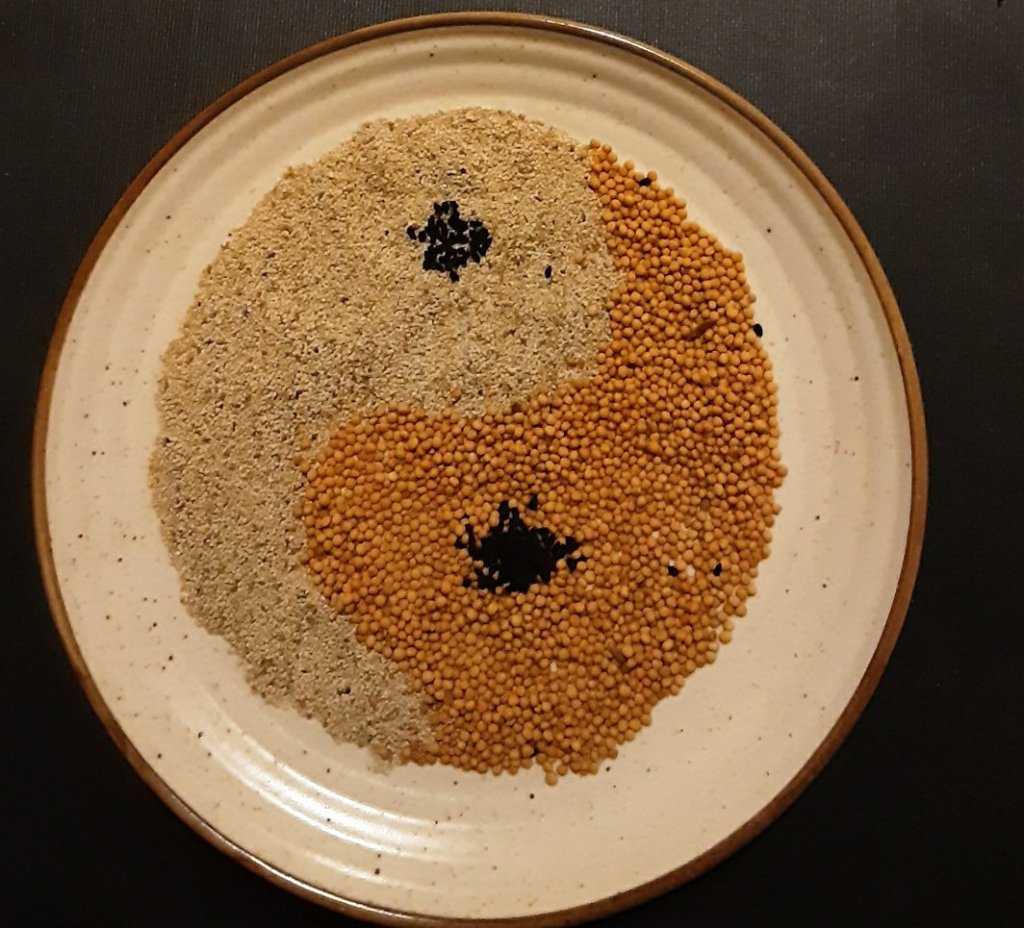
āϏāϰāώ⧇ āĻĒā§‹āϏāϤ⧋āϰ āĻ—āĻ˛ā§āĻĒ

āφāĻŽāĻžāϰ āϛ⧋āϟ āϜāĻž āĻŦāϞāϞ⧋ “āĻĻāĻŋāĻĻāĻŋ āĻ•āĻžāϞ⧋ āϜāĻŋāϰ⧇ āĻ•āĻžāρāϚāĻž āϞāĻ™ā§āĻ•āĻžāϰ āϞ⧇āĻ–āĻž āϤ⧋ āĻšāϞ, āĻāĻŦāĻžāϰ āϏāϰāώ⧇ āĻĒā§‹āϏāϤ⧋ āύāĻŋāϝāĻŧ⧇ āϞ⧇āĻ–ā§‹ āĻĻ⧇āĻ–āĻŋ”āĨ¤ āĻļā§‹āύ⧋ āĻŽā§‡ā§Ÿā§‡āϰ āĻ•āĻĨāĻž, āφāĻšā§āĻ›āĻž āĻāĻŽāύāĻŋ āφāĻŦā§āĻĻāĻžāϰ āϕ⧇āω āĻ•āϰ⧇ āϝāĻž āϰāĻžāĻ–āĻž āĻĻāĻžāϝāĻŧāĨ¤ āϏāĻ¤ā§āϝāĻŋ āĻāϰ āĻšā§‡ā§Ÿā§‡ āĻĸ⧇āϰ āϏ⧋āϜāĻž āĻšāϤ⧋ āϝāĻĻāĻŋ āϏ⧇ āϏāϰāώ⧇ āĻŦāĻžāϟāĻž āĻĻāĻŋā§Ÿā§‡ āχāϞāĻŋāĻļ⧇āϰ āφāĻŦā§āĻĻāĻžāϰ āĻ•āϰāϤāĨ¤ āϞ⧇āĻ–āĻž āĻ•āĻŋ sunrise āĻāϰ āϗ⧁āρāĻĄāĻŧā§‹ āĻŽāĻļāϞāĻžāϰ āĻĒā§āϝāĻžāϕ⧇āϟ, āϝāĻžāϰ āϝāĻ–āύ āχāĻšā§āϛ⧇ āĻĒā§āϝāĻžāϕ⧇āϟ āĻāϰ āĻŽā§āĻ– āĻ•āĻžāρāϚāĻŋ āĻĻāĻŋā§Ÿā§‡ āĻ•āĻžāϟāĻŦ⧇ āφāϰ āĻā§āϰ āĻā§āϰ āĻ•āϰ⧇ āϞ⧇āĻ–āĻžāϰ āϗ⧁āρāĻĄāĻŧā§‹ āĻ›ā§œāĻŋā§Ÿā§‡ āĻĒ⧜āĻŦ⧇āĨ¤ āĻŦāĻ¨ā§āϧ⧁ āĻŦāĻžāĻ¨ā§āϧāĻŦ āύāĻž āĻšā§Ÿ āĻ­āĻžāϞ⧋āĻŦ⧇āϏ⧇ āĻĒā§āϰāĻĨāĻŽ āĻ•āĻžāϞ⧋ āϜāĻŋāϰ⧇ āĻ•āĻžāρāϚāĻž āϞāĻ™ā§āĻ•āĻžāϰ āĻĢā§‹āĻĄāĻŧāύ⧇ āĻ•āĻŋāϛ⧁ āĻšāĻžāϤ āϤāĻžāϞāĻŋ āĻĻāĻŋā§Ÿā§‡ āĻĢ⧇āϞ⧇āϛ⧇, āϤāĻžāχ āĻŦāϞ⧇ āϤāĻžāĻĻ⧇āϰ āĻ­āĻžāϞ⧋āĻŦāĻžāϏāĻžāϰ āϏ⧁āϝ⧋āĻ— āύāĻŋā§Ÿā§‡ āϏ⧋āϜāĻž āϏāϰāώ⧇ āĻĒā§‹āϏāϤ⧋āϰ āĻ—āĻ˛ā§āĻĒ, āϤāĻžāĻ“ āĻ•āĻŋ āϏāĻŽā§āĻ­āĻŦ! āϞ⧇āĻ–āĻž āĻāĻžāρāϜ āĻšāϝāĻŧ⧇ āϝāĻžāĻŦāĻžāϰ āϭ⧟ āφāϛ⧇, āϤ⧇āϤ⧋ āĻšā§Ÿā§‡ āϝāĻžāĻŦāĻžāϰ āϭ⧟ āφāĻ›, āĻŽā§‹āϟ āĻ•āĻĨāĻž āĻšāϞ āĻāχ āϝ⧇ āĻāĻŽāύ āϞ⧇āĻ–āĻžāϰ āĻ…āύ⧇āĻ• āϰāĻŋāĻ¸ā§āĻ•āĨ¤ āϟāĻ• ,āĻāĻžāϞ, āĻŽāĻŋāĻˇā§āϟāĻŋ āĻšāϞ⧇ āϤāĻŦ⧁ āĻāĻ•āϟāĻž āĻ•āĻĨāĻž āĻ›āĻŋāϞ, āϚāĻžāϟāύ⧀āϰ āĻŽāϤ āϚāϟ āϚāĻŸā§‡ āĻāĻ•āϟāĻž āĻĒā§āϰ⧇āĻŽ āĻ•āĻžāĻšāĻŋāύ⧀ āϞ⧇āĻ–āĻžāϰ āĻšā§‡āĻˇā§āϟāĻž āĻ•āϰāϤāĻžāĻŽāĨ¤ āĻĒāĻŋāϠ⧇ āĻĒ⧁āϞāĻŋāϰ āĻļā§€āϤ⧇, āύāϞ⧇āύ āϗ⧁āĻĄāĻŧ⧇āϰ āϰāϏ⧇ āϜāĻŦāϜāĻŦ⧇ āĻāĻ•āϟāĻž āϞ⧇āĻ–āĻž āϞāĻŋāĻ–āϤ⧇ āĻŽāύ āϚāĻžāχāϛ⧇, āĻ•āĻŋāĻ¨ā§āϤ⧁ āϞāĻŋāĻ–āϤ⧇ āĻŦāϏ⧇āĻ›āĻŋ āϏāϰāώ⧇ āĻĒā§‹āϏāϤ⧋āϰ āĻ—āĻ˛ā§āĻĒāĨ¤ āϘāϟāĻŋ,āĻŦāĻžāĻ™āĻžāϞ⧇āϰ āĻ—āĻ˛ā§āĻĒ āύāϝāĻŧ,āĻ—āĻ˛ā§āĻĒ āĻšāĻŦ⧇ āύāϰ āĻ“ āύāĻžāϰ⧀āϰ , āĻāĻ•āϟ⧁ āĻāĻžāρāĻœā§‡, āĻāĻ•āϟ⧁ āϞāĻžāĻœā§‡, āĻšā§‡āĻˇā§āϟāĻž āĻ•āϰāĻŋ āϏāϰāώ⧇ āĻĒā§‹āϏāϤ⧋āϰ āĻ—āĻ˛ā§āĻĒ āĻŦāϞāĻžāϰāĨ¤

āϏāϰāώ⧇ āĻĒā§‹āϏāϤ⧋ āĻšā§‹āĻ• āĻ•āĻŋāĻŽā§āĻŦāĻž āĻœā§€āĻŦāύ, āϝāϤāĻ•ā§āώāĻŖ āύāĻž āĻļāĻŋāϞ āφāϰ āύ⧋āĻĄāĻŧāĻžāϰ āϚāĻžāĻĒ⧇ āĻĒāĻŋāώāϛ⧇ āϰāĻ™, āϰāϏ, āĻ—āĻ¨ā§āϧ ,āĻ¸ā§āĻŦāĻžāĻĻ āϕ⧋āύāϟāĻžāχ āĻĒā§āϰāĻ•āĻžāĻļ āĻĒāĻžāϝāĻŧ āύāĻž āĨ¤ āĻĒāĻŋāώāϤ⧇ āĻĒāĻŋāώāϤ⧇ āϧ⧀āϰ⧇ āϧ⧀āϰ⧇ āĻŽāĻŋāĻļ⧇ āϝāĻžā§Ÿ āϤāĻžāĻĻ⧇āϰ āĻāĻ•āĻžāĻ¨ā§āϤ āύāĻŋāϜāĻ¸ā§āĻŦ āĻĒāϰāĻŋāϚāĻŋāϤāĻŋ, āĻšāϝāĻŧāϤ āĻŦāĻž āύāĻŋāĻœā§‡āϰ āĻ…āϜāĻžāĻ¨ā§āϤ⧇āχ āĻāϕ⧇ āĻ…āĻĒāϰ⧇āϰ āĻĒāϰāĻŋāĻĒā§‚āϰāĻ• āĻšā§Ÿā§‡ āĻ“āϠ⧇ āϏāϰāώ⧇ āφāϰ āĻĒā§‹āϏāϤ⧋ āĨ¤ āφāĻŽāĻžāϰ āĻāχ āφāĻ•āĻžāĻļ āϕ⧁āϏ⧁āĻŽ āĻ—āĻ˛ā§āĻĒ⧇āϰ āĻ–āĻžāϤāĻŋāϰ⧇ āϏāϰāώ⧇ āύāĻž āĻšāϝāĻŧ āĻšā§‹āĻ• āύāϰ āφāϰ āĻĒā§‹āϏāϤ⧋ āĻšā§‹āĻ• āύāĻžāϰ⧀ , āĻ āĻŋāĻ• āϝ⧇āύ āϰāĻžāĻ¨ā§āύāĻžāϘāϰ⧇āϰ “āĻšā§ƒāĻĻā§Ÿā§‡āϰ āĻāϕ⧁āϞ āĻ“āϕ⧁āϞ”āĨ¤ āφāϰ āĻāĻĻ⧇āϰ āϝ⧁āĻ—āϞ āĻŦāĻ¨ā§āĻĻāĻŋ āĻšāϝāĻŧ⧇ āωāϠ⧁āĻ• āφāĻŽāĻžāϰ āϰāϏāύāĻžāϰ āϰāϚāύāĻž āĨ¤

āĻāĻžāρāϜ āϏāϰāώ⧇ āϝ⧇āύ āĻ•āĻĄāĻŧāĻž āĻŽā§‡āϜāĻžāĻœā§‡āϰ āĻĒ⧁āϰ⧁āώ, āϏāĻžāϰāĻžāĻ•ā§āώāĻŖ āĻŦ⧇āĻļ āĻāĻ•āϟāĻž āϰāĻžāĻ— āϰāĻžāĻ— āĻ…āĻšāĻ‚āĻ•āĻžāϰ⧀ āĻšāĻžāĻŦ āĻ­āĻžāĻŦāĨ¤ āĻ•āĻžāρāϚāĻž āĻšāϞ⧁āĻĻ āϰāϙ⧇āϰ āϏāϰāώ⧇ āĻ•ā§āώ⧇āϤ⧇āϰ āωāĻšā§āĻ›āϞ āϝ⧌āĻŦāύ⧇āϰ āύāĻžāϚ āĻĻ⧇āĻ–āϞ āĻŽāύ āϟāĻž āϕ⧇āĻŽāύ DDLJ āĻšā§Ÿā§‡ āĻ“āϠ⧇ āφāϜāĻ“ āĨ¤ āφāϰ āĻšāĻŦ⧇ āύāĻžāχ āĻŦāĻž āϕ⧇āύ, āĻĻāĻŋāϞ āϤ⧋ āĻĒā§‹āϏāϤ⧋ āĻšā§āϝāĻžāϝāĻŧ āĻœā§€, āĻĻāĻŋāϞ āĻ•āĻŋ āĻŽāĻžāύāĻŦ⧇ āĻ•āĻĄāĻŧāĻž āĻļāĻžāϏāύ⧇āϰ “āĻĒā§āϰ⧇āĻŽā§‡ āĻĒāϰāĻž āĻŦāĻžāϰāύ”; āύāĻžāσ ,āϏāϰāώ⧇āϰ āφāĻ•āĻ°ā§āώāĻŖ āĻ āĻĒā§‹āϏāϤ⧋ āϏāĻžāĻĄāĻŧāĻž āĻĻ⧇āĻŦ⧇āχāĨ¤ āĻ•āĻŋāĻ¨ā§āϤ⧁ āϐ āĻ•āĻžāρāϚāĻž āĻšāϞ⧁āĻĻ āϏāϰāώ⧇āϰ āĻĢāϏāϞ āĻĻ⧇āϖ⧇ āĻŦā§‹āĻāĻž āϝāĻžāϝāĻŧ āύāĻž āϝ⧇ āĻāχ āĻšāϞ⧁āĻĻ āϰāϙ⧇āϰ āĻāĻžāρāĻ•āĻĄāĻŧāĻž āϚ⧁āϞ⧇āϰ āϝ⧁āĻŦāĻ• āφāĻ—āĻžāĻŽā§€ āĻĻāĻŋāύ⧇ āĻšāϝāĻŧ⧇ āωāĻ āĻŦ⧇ āϏāϰāĻŋāώāĻžāϰ āϤ⧈āϞ, āĻāĻžāρāĻœā§‡ āφāϰ āϗ⧁āϪ⧇ āĻ…āϤ⧁āϞāĻ¨ā§€ā§ŸāĨ¤ āϤāĻŦ⧁ āϕ⧇āύ āϜāĻžāύāĻŋ āĻĒ⧁āϰ⧁āώ āϕ⧇ āĻĻ⧇āĻ–āϞ⧇āχ āφāĻŽāĻžāϰ āĻŽāύ⧇ āĻšā§Ÿ āϤāĻžāĻĻ⧇āϰ āĻœā§€āĻŦāύ āĻ…āύ⧇āĻ•āϟāĻž āĻ•āĻžāϏ⧁āύāĻĻāĻŋāϰ āĻŦā§‹āϤāϞ⧇āϰ āĻŽāĻ§ā§āϝ⧇ āĻŦāĻ¨ā§āĻĻāĻŋ āĻĻāĻļāĻž, āĻĸāĻžāĻ•āύāĻž āϖ⧁āϞāϤ⧇āχ āĻāĻžāρāϜ āĻŦ⧇āϰāĻŋā§Ÿā§‡ āĻĒāϰ⧇āĨ¤ āĻāĻĻ⧇āϰ āĻŽāĻžāĻĨāĻžāϰ āĻ›āĻŋāĻĒāĻŋ āĻŦāĻ¨ā§āϧ āϰ⧇āϖ⧇ āĻ āĻžāĻ¨ā§āĻĄāĻž āϘāϰ⧇ āϰāĻžāĻ–āĻžāχ āĻļā§āϰ⧇āϝāĻŧ, āϤāĻžāϤ⧇ āĻāĻžāρāϜ āĻ“ āĻ¸ā§āĻŦāĻžāĻĻ āĻĻ⧁āχ āĻ­āĻžāϞ āĻĨāĻžāϕ⧇! āĻŦāĻžāĻ™āĻžāϞāĻŋ āĻšāĻ“āϝāĻŧāĻžāϰ āϏ⧁āĻŦāĻžāĻĻ⧇ āφāĻŽāĻžāϰ āĻ…āĻŦāĻžāĻ™āĻžāϞāĻŋ āĻŦāĻ¨ā§āϧ⧁āϰāĻž āφāĻŽāĻžāϰ āĻ•āĻžāϛ⧇ āϏāϰāώ⧇ āĻŦāĻžāϟāĻž āĻĻāĻŋāϝāĻŧ⧇ āĻŽāĻžāĻ› āϖ⧇āϤ⧇ āĻšā§‡ā§Ÿā§‡āϛ⧇āύ āĻŦāĻšā§āĻŦāĻžāϰāĨ¤ āĻĒā§āϰāĻ¤ā§āϝ⧇āĻ• āĻŦāĻžāϰ āϰāĻžāρāϧāϤ⧇ āĻ—āĻŋā§Ÿā§‡ āϤ⧇āϤ⧋ āĻšāϝāĻŧ⧇ āϝāĻžāĻŦāĻžāϰ āĻ­āϝāĻŧ⧇ āĻ­āϝāĻŧ⧇ āĻĨ⧇āϕ⧇āĻ›āĻŋāĨ¤ āφāĻŽāĻžāϰ āφāĻŦāĻžāϰ āĻāĻ•āϟāĻŋ āĻĻā§‹āώ āφāϛ⧇, āĻ­āĻžāϞ⧋āĻŦāĻžāϏāϤ⧇ āϗ⧇āϞ⧇āχ āĻŦā§‹āĻ•āĻžāĻŽāĻŋ āĻ•āϰ⧇ āĻŽāĻžāĻ¤ā§āϰāĻž āĻœā§āĻžāĻžāύ āĻšāĻžāϰāĻŋāϝāĻŧ⧇ āĻĢ⧇āϞāĻŋ, āϤāĻž āϏ⧇ āϏāϰāώ⧇ āĻšā§‹āĻ• āĻŦāĻž āĻĒ⧁āϰ⧁āώāĨ¤ āĻ…āĻ­āĻŋāĻœā§āĻžāϤāĻž āĻĨ⧇āϕ⧇ āĻļāĻŋāϖ⧇āĻ›āĻŋ, āϏāϰāώ⧇ āĻĒā§‹āϏāϤ⧋ āϕ⧇ āĻāĻ• āĻ•āϰ⧇ āϰāĻžāĻ¨ā§āύāĻž āĻ•āϰāϞ⧇ āĻ¸ā§āĻŦāĻžāĻĻ⧇āϰ āĻŦāĻžāĻšāĻžāϰ āϝāĻžāϝāĻŧ āĻŦ⧇āĻĄāĻŧ⧇ āφāϰ āϰāĻžāĻ¨ā§āύāĻž āĻ•āϰāĻžāĻ“ āĻšāϝāĻŧ⧇ āĻ“āϠ⧇ āĻ…āύ⧇āĻ• āĻŦ⧇āĻļāĻŋ āϏāĻšāϜ āĨ¤

āĻŽāύ⧇āϰ āĻšā§‹āĻ– āĻĻāĻŋā§Ÿā§‡ āĻĻ⧇āĻ–āϞ⧇ āĻĒā§‹āϏāϤ⧋āϰ āϏāĻ™ā§āϗ⧇ āφāĻŽāĻžāĻĻ⧇āϰ āĻŽā§‡ā§Ÿā§‡āĻĻ⧇āϰ āĻŦ⧇āĻļ āĻāĻ•āϟāĻž āĻŽāĻŋāϞ āĻĒāĻžāχ āφāĻŽāĻŋ āĨ¤ āĻĒā§āϰ⧇āϝāĻŧāϏ⧀āϰ āĻŽāϤāύ āĻŽāύ⧇āϰ āϕ⧋āύ⧇ āĻ•āĻŦ⧇ āĻ•āĻ–āύ āϘāϰ āĻ•āϰ⧇ āύ⧇āĻŦ⧇ āĻŦā§‹āĻāĻž āϝāĻžāĻŦ⧇āύāĻžāĨ¤ āĻ•āĻŋāĻ¨ā§āϤ āĻāĻ•āĻŦāĻžāϰ āϤāĻžāϕ⧇ āĻ­āĻžāϞāĻŦ⧇āϏ⧇ āĻĢ⧇āϞāϞ⧇ āĻŽāύ āύ⧇āĻļāĻžāϝāĻŧ āĻĄā§āĻŦāϤ⧇ āĻĄā§āĻŦāϤ⧇ āϗ⧇āϝāĻŧ⧇ āωāĻ āĻŦ⧇, “āύ⧇āĻļāĻž āϞāĻžāĻ—āĻŋāϞ āϰ⧇, āύ⧇āĻļāĻž āϞāĻžāĻ—āĻŋāϞ āϰ⧇ āĻŦāĻžāρāĻ•āĻž āĻĻ⧁ āύ⧟āύ⧇ āύ⧇āĻļāĻž āϞāĻžāĻ—āĻŋāϞ āϰ⧇” āĨ¤ āύāĻžāϰ⧀ āφāϰ āĻĒā§‹āϏāϤ⧋āϰ āĻĒā§āϰ⧇āĻŽ āĻ“ āĻĒā§āϰāĻ•ā§ƒāϤāĻŋ āύāĻŋāϰ⧀āĻš āĻ—ā§‹āϛ⧇āϰ, āĻŦāĻžāχāϰ⧇ āĻĨ⧇āϕ⧇ āĻĻ⧇āϖ⧇ āĻŦā§‹āĻāĻžāϰ āωāĻĒāĻžā§Ÿ āύ⧇āχ, āϏāĻžāĻĻāĻžāĻŽāĻžāϟāĻž āĻ­āĻžāĻŦ, āĻ•āĻŋāĻ¨ā§āϤ⧁ āĻ…āĻ¨ā§āϤāϰ⧇ āĻĒā§āϰ⧇āĻŽā§‡āϰ āϏāĻžāĻ—āϰ āϞ⧁āĻ•āĻžāύ⧋ āĨ¤ āϏāĻžāĻĻāĻžāĻŽāĻžāϟāĻž āĻŽāύ, āϏāĻšāĻœā§‡āχ āĻŽāĻŋāϞ āĻŽāĻŋāĻļ āĻ–āĻžāϝāĻŧ, āφāϰ āύāĻŋāĻœā§‡āχ āύāĻŋāĻœā§‡āϰ āĻŽā§‚āĻ˛ā§āϝ āĻŦā§‹āĻā§‡ āύāĻžāĨ¤ āĻāĻ•āϟ⧁ āϏ⧌āĻ–āĻŋāύ, āĻāĻ•āϟ⧁ āφāĻĻ⧁āϰ⧇ āĻĒā§‹āϏāϤ⧋ āĻŦāĻžāϟāĻž āϝāĻ–āύ āĻ—āĻŋāϝāĻŧ⧇ āĻŽā§‡āĻļ⧇ āĻŽā§āϰāĻ—āĻŋāϰ āĻā§‹āϞ āĻŦāĻž āĻĻ⧇āĻļā§€ āφāϞ⧁ āĻāĻŋāϙ⧇āϰ āϤāϰāĻ•āĻžāϰāĻŋāϤ⧇, āϤāĻ–āύ āϘāϰ⧋āϝāĻŧāĻž āϰāĻžāĻ¨ā§āύāĻž āĻ“ āĻšāϝāĻŧ⧇ āĻ“āϠ⧇ āĻĒāĻžāĻ°ā§āϟāĻŋ āĻĢ⧁āĻĄ !

āĻāĻŽāύ āϏāĻžāĻĻāĻžāĻŽāĻžāϟāĻž āĻĒā§‹āϏāϤ⧋ āφāĻŽāĻžāϕ⧇āĻ“ (āϝ⧇ āĻ•āĻŋāύāĻž āϤāĻžāϰ āϏāĻŽ āĻ—ā§‹āĻ¤ā§āϰ⧇āϰ) āĻ•āĻŽ āĻŦā§‹āĻ•āĻž āĻŦāĻžāύāĻžā§ŸāύāĻŋ āĨ¤ āϝāĻ–āύ āφāĻŽāĻžāϰ āĻĒā§āϰāĻĨāĻŽ āϏāĻ‚āϏāĻžāϰ āĻ•āϰāϤ⧇ āĻĒāĻĨ⧇ āύāĻžāĻŽāĻž āϤ⧇āĻŽāύ āϏāĻŽāϝāĻŧ āĻāĻ•āĻĻāĻŋāύ āφāĻŽāĻžāϝāĻŧ āϜāĻžāύāĻžāύ⧋ āĻšāϞ āϝ⧇ āφāĻŽāĻžāϰ āĻœā§€āĻŦāύ āϏāĻ™ā§āĻ—ā§€ āĻŽāĻžāύ⧁āώāϟāĻŋ āĻĒā§‹āϏāϤ⧋ āĻ­āĻžāϜāĻž āϖ⧇āϤ⧇ āϖ⧁āĻŦ āĻ­āĻžāϞāĻŦāĻžāϏ⧇āύ āĨ¤ āϤāĻžāϰ āĻāχ āĻ­āĻžāϞāĻŦāĻžāϏāĻžā§Ÿ āφāĻŽāĻžāϰ āĻ•āĻŋ āϰ⧋āϞ āϏ⧇āϟāĻž āĻŦ⧁āĻāϤ⧇ āφāĻŽāĻžāϰ āĻŦ⧇āĻļ āĻ•āĻŋāϛ⧁āĻĻāĻŋāύ āϞ⧇āϗ⧇āĻ›āĻŋāϞ āĨ¤āĻĒāϰ⧇ āϜāĻžāύāϤ⧇ āĻĒ⧇āϰ⧇āĻ›āĻŋāϞāĻžāĻŽ āϜāĻŋāύāĻŋāώ āϟāĻŋ āϰāĻžāĻ¨ā§āύāĻž āĻ•āϰāϤ⧇ āĻĒāĻžāϰāϞ⧇ āφāĻŽāĻžāϰ āĻŦāĻŋāĻŦāĻžāĻšāĻŋāϤ āĻœā§€āĻŦāύ⧇āϰ āĻĻ⧁āĻ°ā§āĻ—āĻŽ āĻĒāĻĨ āĻ•āĻŋāϛ⧁āϟāĻž āĻšāϞ⧇āĻ“ āϏ⧁āĻ—āĻŽ āĻšāϝāĻŧ⧇ āωāĻ āĻŦ⧇āĨ¤ āĻŦ⧁āĻāϞāĻžāĻŽ “way to a man’s heart is through his stomach” āĻ—ā§‹āϛ⧇āϰ āĻāĻ•āϟāĻŋ āĻļāĻŋāĻ•ā§āώāĻž āφāĻŽāĻžāϕ⧇ āĻĻ⧇āĻ“ā§ŸāĻž āĻšāĻšā§āĻ›āĻŋāϞāĨ¤ āĻŽāĻžāϝāĻŧ⧇āϰ āĻšāĻžāϤ⧇āϰ āĻĒā§‹āϏāϤ⧋āϰ āĻŦāĻĄāĻŧāĻž āĻ–āĻžāĻ“ā§ŸāĻž āĻāĻ• āĻ•āĻĨāĻž āφāϰ āĻĒā§‹āϏāϤ⧋āϰ āϏāĻ™ā§āϗ⧇ āύāĻŋāĻœā§‡āϰ āĻšāĻžāϤ⧇āĻ–āĻĄāĻŧā§€ ,āĻāχ āĻĻ⧁āĻŸā§‹āϤ⧇ āϝ⧇ āĻ•āϤ āĻĒāĻžāĻ°ā§āĻĨāĻ•ā§āϝ āĻœā§‡āύ⧇āĻ›āĻŋāϞāĻžāĻŽ āϤāĻ–āύ ! āĻĒā§‹āϏāϤ⧋ āĻŦāĻžāύāĻžāϤ⧇ āϗ⧇āϞ⧇ āϘāϰ⧇ āĻ•āĻžāρāϚāĻž āĻĒā§‹āϏāϤ⧋ āϞāĻžāϗ⧇, āφāĻŽāĻžāϰ āϰāĻžāĻ¨ā§āύāĻžāϘāϰ⧇ āϏ⧇āχāϏāĻŽāϝāĻŧ āĻāĻŽāύ āϏ⧌āĻ–āĻŋāύ āĻŽāĻļāϞāĻž āĻĨāĻžāĻ•āϤ āύāĻž āĨ¤ āϕ⧋āύ⧋ āĻŦā§āϝāĻžāĻĒāĻžāϰ āύāĻž, āĻŽā§āĻĻāĻŋāϰ āĻĻā§‹āĻ•āĻžāύ⧇ āĻ—āĻŋāϝāĻŧ⧇ āĻ—āĻŽā§āĻ­ā§€āϰ āĻŽā§āϖ⧇ āĻĻā§‹āĻ•āĻžāύāĻŋ āϕ⧇ āĻāĻ• āĻ•āĻŋāϞ⧋ āĻĒā§‹āϏāϤ⧋ āĻĻāĻŋāϤ⧇ āĻŦāϞ⧇āĻ›āĻŋāϞāĻžāĻŽāĨ¤ āĻāĻ•āϟ⧁ āĻŦ⧇āĻļāĻŋ āĻ•āϰ⧇ āĻ•āĻŋāύ⧇ āϰāĻžāĻ–āĻž āĻ­āĻžāϞ, āĻāĻŽāύāχ āĻāĻ•āϟāĻž āĻŽāύāĻ­āĻžāĻŦāĨ¤ āĻĻā§‹āĻ•āĻžāύāĻŋ āĻ…āύ⧇āĻ•āĻ•ā§āώāĻŖ āφāĻŽāĻžāϰ āĻŽā§āϖ⧇āϰ āĻĻāĻŋāϕ⧇ āϤāĻžāĻ•āĻŋā§Ÿā§‡ āĻĨ⧇āϕ⧇ āϧ⧀āϰ āĻ¸ā§āĻŦāϰ⧇ āφāĻŽāĻžā§Ÿ āĻĒā§‹āϏāϤ⧋āϰ āĻĻāĻžāĻŽ āĻļ⧁āύāĻŋāϝāĻŧ⧇āĻ›āĻŋāϞ⧇āύ āĨ¤ āĻĻāĻžāĻŽ āĻļ⧁āύ⧇ āĻ–āĻžāύāĻŋāĻ•āϟāĻž āĻĨāĻŽāϕ⧇ āĻ—āĻŋāϝāĻŧ⧇, āĻāĻĻāĻŋāϕ⧇ āĻ“āĻĻāĻŋāϕ⧇ āϤāĻžāĻ•āĻŋā§Ÿā§‡ āĻĒā§āϰāĻžāϝāĻŧ āĻĢāĻŋāϏāĻĢāĻŋāϏ āĻ•āϰ⧇ āĻ›āĻŋāϞāĻžāĻŽ, ‘āϤāĻžāĻšāϞ⧇ āĻāĻ•āĻļā§‹ āĻ—ā§āϰāĻžāĻŽ āĻĻāĻŋāύ’ āĨ¤ āϏ⧇āχ āĻĒā§‹āϏāϤ⧋ āĻŦāĻžāĻĄāĻŧāĻŋ āĻāύ⧇ āĻĒāĻŋāώāϤ⧇ āĻ—āĻŋā§Ÿā§‡ āϜāϞ āĻŦ⧇āĻļāĻŋ āĻĻāĻŋā§Ÿā§‡ āĻ›ā§œāĻŋā§Ÿā§‡ āĻ›āĻŋāϟāĻŋā§Ÿā§‡, āĻĒā§‹āϏāϤ⧋ āĻĄā§āĻŦ⧇āĻ›āĻŋāϞ āύāĻž āφāĻŽāĻŋ āϏ⧇ āĻ—āĻ˛ā§āĻĒ⧇ āĻ•āĻžāϜ āύ⧇āχāĨ¤ āĻŦāĻšā§ āĻĒāϰ⧇ āĻœā§€āĻŦāύ⧇āϰ āĻœā§āĻžāĻžāύ āϚāĻ•ā§āώ⧁ āĻ–ā§‹āϞāĻžāϰ āĻĒāϰ āĻĻ⧇āĻ–āϤ⧇ āĻĒ⧇āϝāĻŧ⧇āĻ›āĻŋ, ” way to a man’s heart is a blind alley”. āϤāĻŦ⧇ āϤāĻž āύāĻŋāϝāĻŧ⧇ āĻĻ⧁āσāĻ– āύ⧇āχ āĻ•āĻžāϰāĻŖ āĻĒā§‹āϏāϤ⧋āϰ āϏāĻ™ā§āϗ⧇ āĻāĻ–āύ āφāĻŽāĻžāϰ āĻŦ⧇āĻļ āĻŽāĻžāĻ–ā§‹ āĻŽāĻžāĻ–ā§‹ āĻāĻ•āϟāĻž āϏāĻŽā§āĻĒāĻ°ā§āĻ•āĨ¤

āĻĒ⧁āϰāĻžāύ⧋ āĻ•āĻžāϏ⧁āύāĻĻāĻŋ āĻ˜ā§‡āρāĻŸā§‡ āφāϰ āĻ•āĻžāϜ āύ⧇āχāĨ¤ āφāĻŽāĻžāϰ āϝ⧁āϗ⧇āϰ āĻ—āĻ˛ā§āĻĒ āϤ⧋ āĻĒā§āϰāĻžāϝāĻŧ āĻ¤ā§āϰ⧇āϤāĻž āϝ⧁āϗ⧇āϰ āϏāĻŽāϏāĻžāĻŽāϝāĻŧāĻŋāĻ• āĨ¤ āύāϤ⧁āύ āϝ⧁āϗ⧇āϰ āϏāĻ™ā§āϗ⧇ āϤāĻžāϞ āĻŽāĻŋāϞāĻŋā§Ÿā§‡ āϏāϰāώ⧇ āφāϰ āĻĒā§‹āϏāϤ⧋ āĻšā§Ÿā§‡ āωāϠ⧇āϛ⧇ āĻĒā§āϰ⧇āĻŽāĻŋāĻ• āφāϰ āĻĒā§āϰ⧇āĻŽāĻŋāĻ•āĻž, āĻāĻŦāĻ‚ āϤāĻžāρāĻĻ⧇āϰ āϜāĻ¨ā§āϝ āύāϤ⧁āύ āĻŽā§‹ā§œāϕ⧇ āύāϤ⧁āύ āϘāϰ āĻ•āϰ⧇ āĻĻāĻŋā§Ÿā§‡āĻ› sunrise, āĻāĻ–āύ āϤāĻžāρāϰāĻž āĻāĻ•āχāϏāĻžāĻĨ⧇ āĻĨāĻžāϕ⧇āύāĨ¤ āϏāĻ¤ā§āϝāĻŋāχ āĻāĻ–āύ āĻĒā§āϝāĻžāϕ⧇āϟ āĻāϰ āĻŽā§āĻ– āϕ⧇āĻŸā§‡ āĻā§āϰ āĻā§āϰ āĻ•āϰ⧇ āϏāϰāώ⧇ āĻĒā§‹āϏāϤ⧋ āĻĒāĻžāĻ“ā§ŸāĻž āϝāĻžāϝāĻŧāĨ¤āφāĻļāĻžāĻ•āϰāĻŋ āφāĻŽāĻžāϰ āĻ—āĻ˛ā§āĻĒ⧇ āĻĒā§‹āϏāϤ⧋ āĻ–āϏāĻ–āϏ āĻšāϝāĻŧ⧇ āĻ“āϠ⧇āύāĻŋ āφāϰ āϏāϰāώ⧇āϰ āĻāĻžāρāĻœā§‡ āϞ⧇āĻ–āĻž āϤ⧇āϤ⧋ āĻšāϝāĻŧāύāĻŋāĨ¤ āϝāĻžāĻ• āϤāĻŦ⧁ āϛ⧋āϟ āϜāĻžāϝāĻŧ⧇āϰ āφāĻŦā§āĻĻāĻžāϰ āϤ⧋ āϰāĻžāĻ–āϞāĻžāĻŽ, āϤāĻžāϤ⧇ āĻ•āϰ⧇ āφāĻŽāĻžāϰ āĻ—āĻ˛ā§āĻĒ⧇āϰ āĻ—āϰ⧁ āĻ—āĻžāϛ⧇ āϚāĻĄāĻŧ⧇ āύāĻž āĻšāϝāĻŧ āĻāĻ•āϟ⧁ āĻ–āĻŋāĻ• āĻ–āĻŋāĻ• āĻ•āϰ⧇ āĻšāĻžāϏāϞ⧋āχ āĻŦāĻž, āύāϤ⧁āύ āĻŦāĻ›āϰ⧇ āĻĒā§āϰāĻŋ⧟ āĻŽāĻžāύ⧁āώ⧇āϰ āϜāĻ¨ā§āϝ⧇ āĻāĻ•āϟāĻŋ āωāĻĒāĻšāĻžāϰ āϤ⧋ āϤ⧈āϰāĻŋ āĻšāϞ āĨ¤ āĻĒāĻžāĻ āĻ• āĻŦāĻ¨ā§āϧ⧁āĻĻ⧇āϰ āϝāĻĻāĻŋ āĻ­āĻžāϞ⧋ āϞ⧇āϗ⧇ āϝāĻžā§Ÿ āϏ⧇āϟāĻž āĻšāĻŦ⧇ āφāĻŽāĻžāϰ āωāĻĒāϰāĻŋ āĻĒāĻžāĻ“āύāĻžāĨ¤

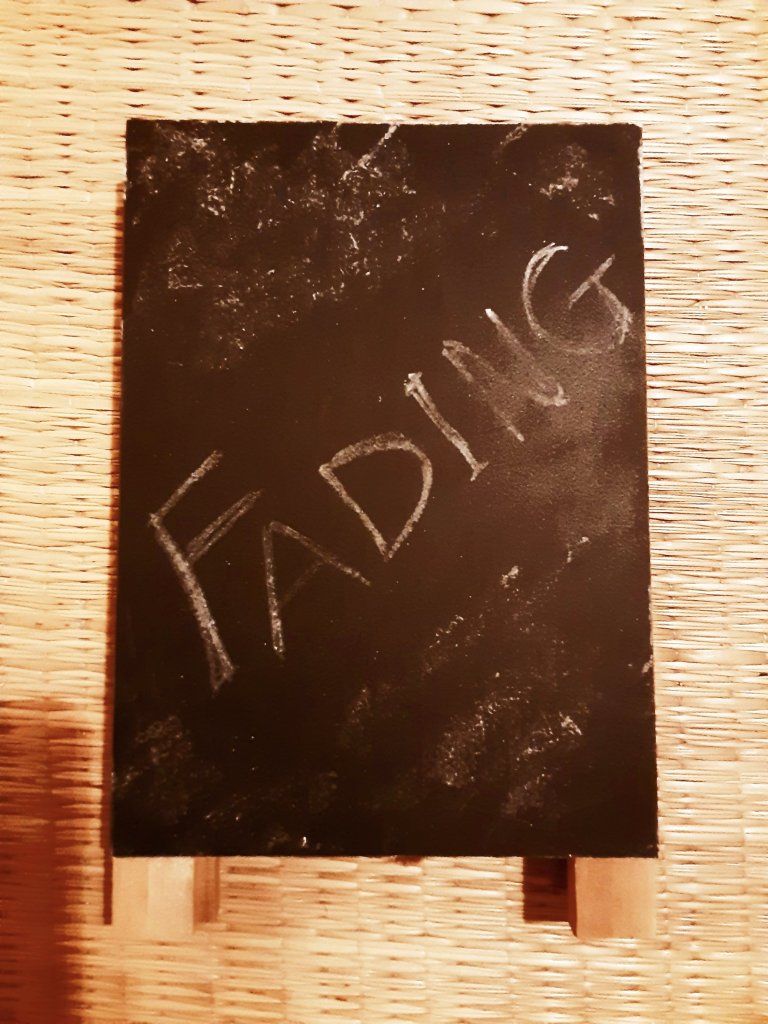
Fading…

I am fading, like the silk threads of a fraying old shawl,
I am fading, like the peeling paint on your backyard wall,
I am fading, like the fragile pages of an unopened book,
I am fading, like the folded maps of roads I never took.

I am fading, like the sounds of those long unheard voices,
I am fading, like the failures of my ruthless youthful choices,
I am fading, like the lone calendar hanging way past its date,
I am fading, like the wilting yellow grass under a trees shade.

I am fading, like my own shadow losing its way in the dark,
I am fading, like the painting, unframed and watermarked,
I am fading, like the crumbling sepia photos in an old album,
I am fading, like a childhood memory lost in lifes humdrum.

I am fading, like the hidden heart-beat of a first secret love,
I am fading, like the letters forgotten in the black trunk above,
I am fading, like the autumn leaf withering in winter’s slumber,
I am fading, like my reflection in a tarnished mirror, with  nothing left to forget or remember.

The bookmark on Page Nine

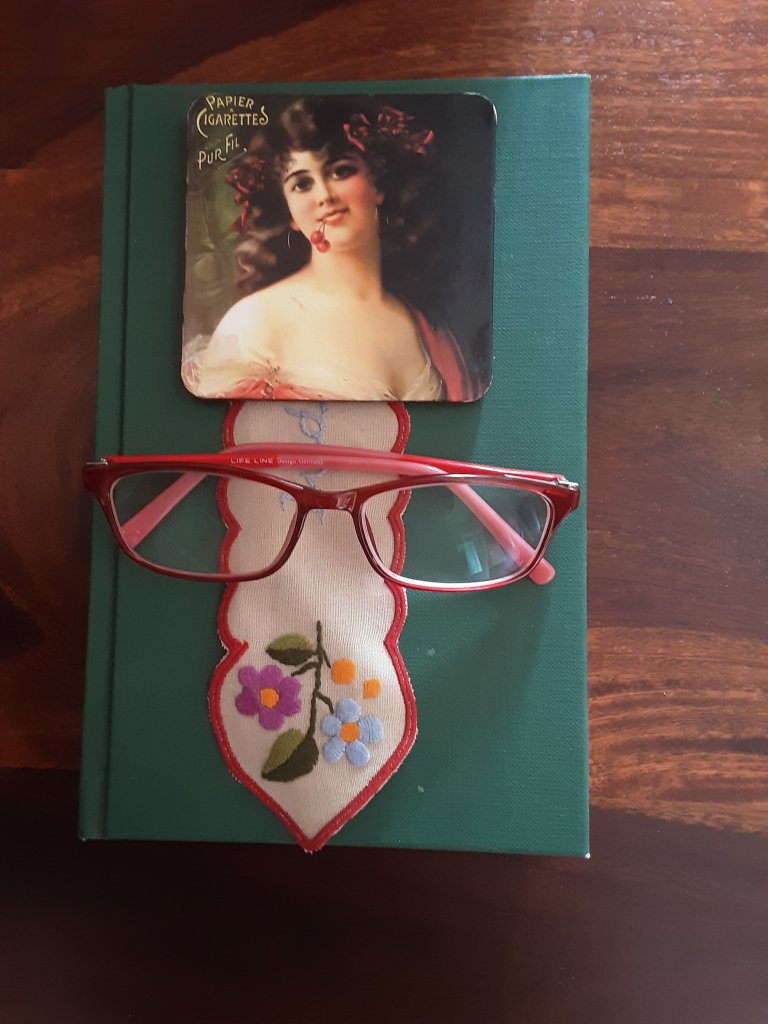
The book mark was on page nine. A beautiful hand embroidered book mark with pretty pink and blue flowers. The book had got lost between the other books on the book shelf. I remembered having started to read this book many months back. Now that I had found it again I was ready to get transported into the beautiful  world of stories, to lose myself within its pages. I opened the book on page nine to start reading again.

Good books compel me to read and re-read some lines many times for its sheer magic. Intricately woven words, creating a mosaic with words both intriguing and fascinating ! Sometimes when I am reading a book the world held in the pages come pouring out and roam freely all around me. The characters evoke a myriad of emotions within me. Love fringed with anxiety, joy laced with pain, desire soaked with fear keeps me in its grip . But this story is about page nine, I am stuck on page nine. The book has been waiting for sometime now. The book mark was on page nine.

As I opened the book on page nine I wanted to go back to the first line of the book. I do this quite often, as if the whole story is hidden in the very first line ! I had once read a first line, which read “Of course the garden is located where all our beginning, Karim’s and mine, are located:Karachi”, the book had me in its  grip at that. But coming back to the first line of the book held in hand, I read the first line and the second and the third and was about to turn to page nine when a burning smell filled the air around me. It was not my imagination, it was real, the smell was coming from my kitchen. I had left the milk pan to simmer on the stove. The milk and my reading hour both definitely got ruined for the day. I had no reading hour these days, to steal an hour for my book from myself was not an option. The book mark  came back on page nine and my book lay on the table to be opened again on some later date. The book mark was on page nine.

A few days passed by before I had time to come back to my book again. The book mark was on page nine but I could not remember what had happened between pages one and eight. My mischievous memory could not recall those tiny details of who was related to whom and how. I went back to pages five to seven to brush up my memory. I kept reading and every line seemed new. Had I read those lines before ? I couldn’t  remember ; was I half asleep or my mind was elsewhere while my eyes were reading. I read every line again, as though for the first time till I reached page nine. I was totally intending to read more when the daughter walked into the room and asked “Ma , interested  in watching a new show together, it is on hotstar.” Of course I was interested, this was an invitation I could not refuse. The book could wait but not the precious time with my daughter. And the book was once more shut on page nine. The book mark was on page nine.

Once upon a time I could read for hours, uninterrupted. Those days are lost, I have managed to fill my hours with everything else but a book ! Yet reading is almost like a fatal attraction,  once in love with a book it always lures me back in its folds. I reopened my book once again.The book mark was still on page nine, patiently waiting . The girl and the boy in the book were talking about ‘old uncle Rahim’. I remembered ‘old uncle Rahim’ he was the gardener, but just could not remember what he was wearing , was it a black checkered half shirt and a worn out denim pant. The need to know these tiny detail for sure was almost like a compulsive disorder. I had to go back all the way to pages two and three, just to catch a glimpse of “old uncle Rahim” limping around from one bush to the other in a black checkered  shirt and a worn out denim pant !

I sat with the book open on page nine and as a gentle breeze would sway, my mind sways  back to the beautiful garden where the young boy and the girl ran around chasing each other in rain soaked clothes. Why do I have to make a cinema of a book in my mind as I read ? I will never know, but the motion picture has to run parallel with the reading. I smiled, as I remembered the oleander tree in the garden with a blue bench under it. What colour were the flowers, were they pale pink or vibrant red.  I had to know, I had to see the flowers of eternal bloom in the garden, on page four. I had to go back into the pages once more looking for the oleander tree. I was losing my way in the garden, I had to come out of the garden before the dark, I had to switch the lights on, I had to go back to page nine, for the book mark was on page nine. The book mark with its beautiful hand embroidered red and pink flowers are still waiting for me on page nine.

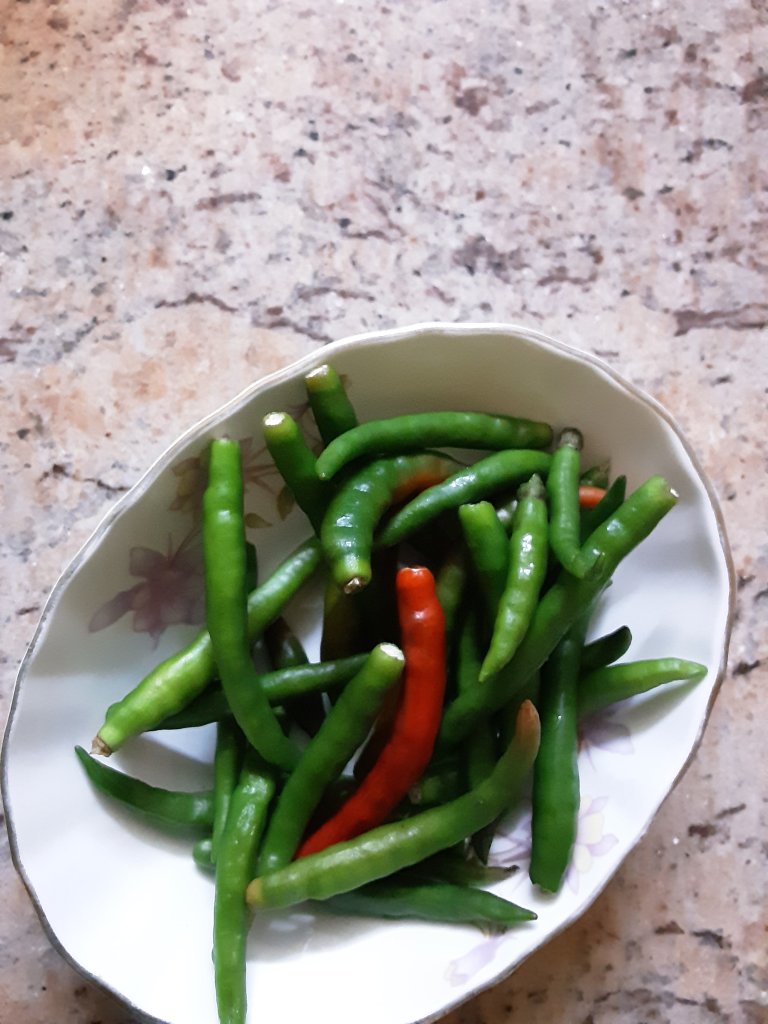
āĻ•āĻžāϞ⧋ āϜāĻŋāϰ⧇ āĻ•āĻžāρāϚāĻž āϞāĻ™ā§āĻ•āĻž

āφāĻŽāĻžāϰ āĻĻāĻŋāύāϗ⧁āϞ⧋ āϝ⧇āύ āĻĒ⧁āĻœā§‹ āϏāĻ‚āĻ–ā§āϝāĻžāϰ āĻ—āĻ˛ā§āĻĒ, āĻ—ā§œāĻŋā§Ÿā§‡ āĻ—ā§œāĻŋā§Ÿā§‡ āϚāϞ⧇āϛ⧇ āύāĻŋāĻœā§‡āϰ āĻ—āϤāĻŋāϤ⧇āĨ¤ āĻĻ⧁āĻŸā§‹ āĻĻāĻŋāύ⧇āϰ āĻŽāĻ§ā§āϝ⧇ āĻĒāĻžāĻ°ā§āĻĨāĻ•ā§āϝ āĻ•ā§āϰāĻŽā§‡ āĻ•āĻŽā§‡ āφāϏāϛ⧇, āĻĒā§āϰāĻ¤ā§āϝ⧇āĻ•āϟāĻŋ āύāϤ⧁āύ āĻĻāĻŋāύ āϝ⧇āύ āĻ—āϤ āĻĻāĻŋāύ⧇āϰ āϜāϞāĻ›āĻŦāĻŋāĨ¤ āϏāĻ•āĻžāĻ˛Â  āĻŦ⧇āϞāĻž āύāĻŋāϝāĻŧāĻŽ āĻ•āϰ⧇ āĻŦ⧁āĻŦāĻžāχ āĻāϰ āĻŽāĻž āĻāϏ⧇ āĻ•āϞāĻŋāĻ‚ āĻŦ⧇āϞ āĻŦāĻžāϜāĻŋāϝāĻŧ⧇ āϘ⧁āĻŽ āĻ­āĻžāĻ™ā§āĻ—āĻžāϝāĻŧāĨ¤ āφāĻŽāĻžāϰ āϘ⧁āĻŽ āϝāĻĻāĻŋāĻ“ āϤāĻžāϰ āφāϗ⧇āχ āĻšāĻžāϞāĻ•āĻž āĻšā§Ÿā§‡ āφāϏ⧇ ,āĻ•āĻŋāĻ¨ā§āϤ⧁ āĻ­ā§‹āϰ⧇āϰ āĻŦāĻŋāĻ›āĻžāύāĻžāϰ āωāĻˇā§āĻŖāϤāĻžāϰ āφāϰāĻžāĻŽ āϏāĻšāĻœā§‡ āĻ›āĻžā§œāϤ⧇ āĻŽāύ āϚāĻžā§Ÿ āύāĻž āĨ¤ āĻŦ⧁āĻŦāĻžāχ āĻāϰ āĻŽāĻžāϰ āύāĻžāĻŽ āĻŽāĻžāϞāϤ⧀, āĻ•āĻŋāĻ¨ā§āϤ⧁ āϏāĻŦāĻžāχ āϤāĻžāϕ⧇ āĻŦ⧁āĻŦāĻžāχ āĻāϰ āĻŽāĻž āĻŦāϞ⧇āχ āĻĄāĻžāϕ⧇, āϏ⧇ āϤāĻžāϤ⧇āχ āĻŦ⧇āĻļ āϖ⧁āĻļāĻŋ āĨ¤ āφāĻŽāĻŋ āϤāĻžāĻ•ā§‡Â āĻŦāϞ⧇āĻ›āĻŋ āĻāϤ⧇ āϤ⧋āĻŽāĻžāϰ āύāĻŋāĻœā§‡āϰ āĻāχ āϏ⧁āĻ¨ā§āĻĻāϰ āύāĻžāĻŽ āϟāĻž āĻšāĻžāϰāĻŋā§Ÿā§‡ āϝāĻžāϝāĻŧ āϝāĻĻāĻŋ, āϤāĻžāχ āφāĻŽāĻŋ āϤ⧋āĻŽāĻžāϝāĻŧ āĻŽāĻžāϞāϤ⧀ āύāĻžāĻŽā§‡āχ āĻĄāĻžāĻ•āĻŦ āĨ¤ āφāχāĻĄā§‡āĻ¨ā§āϟāĻŋāϟāĻŋ āĻšāĻžāϰāĻŋā§Ÿā§‡Â  āϝāĻžāĻŦāĻžāĻ°Â  āϤ⧇āĻŽāύ āϭ⧟ āĻŦā§‹āϧāĻšā§Ÿ āĻŽāĻžāϞāϤ⧀āĻĻ⧇āϰ āύ⧇āχ āĨ¤ āĻ•āĻŋāĻ¨ā§āϤ āφāĻŽāĻŋ āφāϜāĻ“ āφāχāĻĄā§‡āĻ¨ā§āϟāĻŋāϟāĻŋ āϖ⧁āρāĻœā§‡ āĻŦ⧇āĻĄāĻŧāĻžāχ, āĻ•āĻ–āύāĻ“ āĻāĻ•āϟāĻŋ āύāĻžāĻŽā§‡, āĻŦāĻž āĻĒ⧁āϰ⧋āύ⧋ āĻŦāχ āĻāϰ āĻĒāĻžāϤāĻžā§Ÿ, āĻā§œā§‡ āĻĒ⧜āĻž āĻļāĻŋāωāϞāĻŋ āĻĢ⧁āϞ⧇āϰ āĻŦ⧁āϕ⧇,āĻ…āĻŽāϞāϤāĻžāϏ āĻāϰ āĻšāĻžāĻ“āϝāĻŧāĻžāϝāĻŧ āϭ⧇āϏ⧇ āφāϏāĻž āĻ—āĻžāύ⧇, āĻ•āĻŋāĻŽā§āĻŦāĻž āφāĻŽāĻžāϰ āĻŽāĻļāϞāĻžāϰ āĻŦāĻžāĻ•ā§āϏ⧇āĨ¤

āύāĻžāĻŽā§‡āϰ āωāĻĒāĻžāĻ–ā§āϝāĻžāύ āϛ⧇āĻĄāĻŧ⧇ āĻāĻŦāĻžāϰ āφāĻŽāĻžāϰ āĻ•āĻžāϞ⧋ āϜāĻŋāϰ⧇ āĻ•āĻžāρāϚāĻž āϞāĻ™ā§āĻ•āĻžāϰ āĻ—āĻ˛ā§āĻĒ⧇ āφāϏāĻŋāĨ¤ āĻŽāĻžāϞāϤ⧀āϰ āĻšāĻžāϤ⧇āϰ āĻāĻ• āĻ•āĻžāĻĒ āϧ⧋āρ⧟āĻž āĻ“āĻ āĻž āĻ•āĻĢāĻŋ āφāϰ toast āĻ–ā§‡ā§Ÿā§‡ āφāĻŽāĻŋ āϚāϟāϜāϞāĻĻāĻŋ āϰāĻžāĻ¨ā§āύāĻžāϘāϰ⧇ āĻĸ⧁āĻ•āĻŋāĨ¤ āĻĸ⧁āĻ•āĻŋ āĻŦāĻŸā§‡ āĻ•āĻŋāĻ¨ā§āϤ⧁ āϕ⧀ āϰāĻžāρāϧāĻŦ āϤāĻžāϰ āϕ⧂āϞ āĻ•āĻŋāύāĻžāϰāĻž āĻĒāĻžāχ āύāĻžāĨ¤ āĻŽāĻžāĻ›, āĻŽā§āϰāĻ—āĻŋ, āĻļāĻžāĻ• āϏāĻŦā§āϜāĻŋ āϤ⧇ āĻ­āϰāĻž fridge āϟāĻžāϰ āĻĻāϰāϜāĻž āϖ⧁āϞāϤ⧇āχ  āĻŽāύ⧇ āĻšā§Ÿ āϕ⧇āĻŽāύ āϝ⧇āύ⧋ Colgate white āĻšāĻžāϏāĻŋ āĻ›ā§œāĻŋā§Ÿā§‡ āφāĻŽāĻžāϰ  āĻĻāĻŋāϕ⧇ āĻšā§‡ā§Ÿā§‡ āφāĻŽāĻžāϕ⧇ challenge āϜāĻžāύāĻžāĻšā§āϛ⧇, āĻŦāϞāϛ⧇ ‘āĻĻ⧇āĻ–āĻŋ āϤ⧁āχ āĻ•āĻŋ āϰāĻžāĻ¨ā§āύāĻž āĻĒāĻžāϰāĻŋāϏ’āĨ¤

āĻāĻ–āĻžāύ⧇ āĻāĻ•āϟ⧁ āĻŦā§āϝāĻžāĻ• āĻ—āĻŋāϝāĻŧāĻžāϰ⧇ āĻ—āĻ˛ā§āĻĒ āϟāĻžāϕ⧇ āύāĻŋāϤ⧇ āĻšāϝāĻŧ, āύāχāϞ⧇ āϤ⧋āĻŽāϰāĻž āĻ­āĻžāĻŦāϤ⧇āχ āĻĒāĻžāϰ⧋ ‘āĻāχ āĻŽāĻžāĻ āĻŦ⧟āϏ⧀ āĻŽāĻšāĻŋāϞāĻžāϰ āĻāĻŽāύ āĻĻāĻļāĻž āϕ⧇āύ⧋’āĨ¤ āφāϏāϞ⧇ āĻšāϝāĻŧ⧇āϛ⧇ āĻāχ āϝ⧇ āφāĻŽāĻŋ āĻĻā§€āĻ°ā§āϘ āĻ•āĻžāϞ āĻĒā§āϰāĻŦāĻžāϏ⧇ āĻ›āĻŋāϞāĻžāĻŽāĨ¤ āĻŦāĻšā§ āĻ•āĻžāϞ āφāϗ⧇ āĻ•āϞ⧇āĻœā§‡ āĻĒ⧜āĻžāϰ āϏāĻŽā§Ÿā§‡ āĻŦāĻŋā§Ÿā§‡ āϟāĻŋāϝāĻŧ⧇ āĻ•āϰ⧇, āĻāĻ•āĻĻāĻŽ āϞ⧋āϟāĻžāĻ•āĻŽā§āĻŦāϞ āύāĻŋā§Ÿā§‡ āĻāĻ• Army man āĻāϰ āϏāĻžāĻĨ⧇ āĻ•āϞāĻ•āĻžāϤāĻž āĻ›ā§‡ā§œā§‡ āĻ›āĻŋāϞāĻžāĻŽāĨ¤ āϤāĻžāϰāĻĒāϰ āĻāχ āĻĻā§€āĻ°ā§āĻ˜Â  āϤāĻŋāϰāĻŋāĻļ āĻŦāĻ›āϰ⧇ āϛ⧁āϟāĻŋ āĻ›āĻžāϟāĻž āĻ›āĻžāϰāĻž āĻ•āϞāĻ•āĻžāϤāĻž āĻĢ⧇āϰāĻž āĻšāϝāĻŧ⧇ āĻ“āϠ⧇āύāĻŋāĨ¤ āĻ­āĻžāϰāϤ⧇āϰ āĻ…āύ⧇āĻ• āϰāĻžāĻœā§āϝ⧇ āϘ⧁āϰ⧇āĻ›āĻŋ, āϤāĻžāĻĻ⧇āϰ āϰāĻžāĻ¨ā§āύāĻž āĻļāĻŋāϖ⧇āĻ›āĻŋ, āϰ⧇āρāϧ⧇āĻ›āĻŋ, āφāϰ āĻāχ āĻ•āϰāϤ⧇ āĻ•āϰāϤ⧇ āĻŦāĻžāĻ‚āϞāĻž āĻŽāĻžā§Ÿā§‡āĻ°Â  āĻšā§‡āρāϏ⧇āϞ⧇āϰ āĻĨā§‹āϰ, āĻŦāĻĄāĻŧāĻŋ, āĻŽā§‹āϚāĻž, āϞāĻžāω āĻĄāĻ—āĻž, āϕ⧁āĻŽāĻĄāĻŧā§‹āϰ āϛ⧇āρāϚāϕ⧀, āĻāĻĻ⧇āĻ°Â  āχāϤāĻŋāĻšāĻžāϏ āĻāϰ āϏāĻžāĻĨ⧇ āφāĻŽāĻžāϰ āĻĒāϰāĻŋāϚāϝāĻŧ āϧ⧀āϰ⧇ āϧ⧀āϰ⧇ āĻ•ā§āώ⧀āĻŖ āĻšā§Ÿā§‡ āωāϠ⧇āϛ⧇āĨ¤

āφāĻŽāĻžāϰ āĻāχ āĻĒā§āϰāĻŦāĻžāϏ⧀ āĻœā§€āĻŦāύ⧇āϰ āĻ—āĻ˛ā§āĻĒ āϟāĻžāϕ⧇ āĻĢāϰāĻ“āϝāĻŧāĻžāĻ°ā§āĻĄ āĻ—āĻŋāϝāĻŧāĻžāϰ āĻ āύāĻŋā§Ÿā§‡ āφāϏāĻŋ āĻāĻŦāĻžāϰāĨ¤āĻ—āϤ āĻ•āĻŋāϛ⧁ āĻŽāĻžāϏ āφāϗ⧇ Army man āφāϰ āφāĻŽāĻŋ āĻ•āϞāĻ•āĻžāϤāĻžā§Ÿ āĻĢāĻŋāϰ⧇āĻ›āĻŋ ” ghar kab aaoge” āĻāϰ āϟāĻžāύ⧇āĨ¤ āφāĻŽāĻžāϰ āϏāĻžāĻšā§‡āĻŦ āĻ—ā§‹āϛ⧇āϰ Army man ,āĻĻ⧇āĻ–āĻ›āĻŋ āϰāĻŋāϟāĻžāϝāĻŧāϰ āĻ•āϰ⧇ āĻ•āϞāĻ•āĻžāϤāĻž āĻāϏ⧇ āĻšāϟāĻžā§Ž āĻ•āϰ⧇ āĻŦ⧇āĻļ āĻŦāĻžāĻ™āĻžāϞāĻŋ āĻšā§Ÿā§‡ āωāϠ⧇āϛ⧇āύāĨ¤ āϰ⧋āϜ āĻ­ā§‹āϰ āϏāĻ•āĻžāϞ⧇ āϤāĻŋāύāĻŋ āϏāĻžāĻšā§‡āĻŦā§€ āĻ•āĻžā§ŸāĻĻāĻžā§Ÿ āϏ⧇āĻœā§‡ āϗ⧁āĻœā§‡ golf āϖ⧇āϞāĻžāϰ āĻĒāϰ āĻŦāĻžāĻĄāĻŧāĻŋ  āĻĢ⧇āϰāĻžāϰ āĻĒāĻĨ⧇ āĻĸā§‹āϕ⧇āύ āĻŦāĻžāĻ™āĻžāϞāĻŋ āĻŦāĻžāĻŦ⧁ āĻĻ⧇āϰ āĻŦāĻžāϜāĻžāϰ⧇āĨ¤ āĻĻā§‹āĻ•āĻžāύāĻŋāĻĻ⧇āϰ āϏāĻžāĻĨ⧇ āχāϤāĻŋāĻŽāĻ§ā§āϝ⧇āχ āϤāĻžāρāϰ āĻŦ⧇āĻļ āĻ­āĻžāĻŦ āĻšā§Ÿā§‡āϛ⧇ āĻŦ⧁āĻāϤ⧇ āĻĒāĻžāϰāĻŋ āĻŦāĻžāϜāĻžāϰ⧇āϰ āĻŦāĻšāϰ āĻĻ⧇āϖ⧇āĨ¤ āφāϜāĻ•āĻžāϞ āĻĻā§‹āĻ•āĻžāύāĻŋāĻĻ⧇āϰ āĻ•āĻĨāĻž āĻŽāϤāχ āĻŦāĻžāϜāĻžāϰ āĻšā§Ÿ āφāĻŽāĻžāĻĻ⧇āϰ āĻŦāĻžā§œāĻŋāϰāĨ¤ āĻĨāϞ⧇ āϚāĻĄāĻŧ⧇ āϘāϰ⧇ āĻĸā§‹āϕ⧇ āĻ•āϰāĻŽāϚāĻž, āϕ⧁āĻŽāĻĄāĻŧā§‹, āωāĻšā§āϛ⧇, āĻ•ā§ŽāĻŦ⧇āϞ, āĻŦāĻĄāĻŧāĻŋ, āϞāĻ•āϞāϕ⧇ āĻĒ⧁āχ āĻļāĻžāĻ•, āϞāĻžāϞ āĻļāĻžāĻ•, āφāϰ⧋ āĻ•āϤ āύāϤ⧁āύ āύāϤ⧁āύ āϏāĻŦā§āϜāĻŋ āĨ¤ āĻāĻŽāύ āĻ…āĻšā§‡āύāĻž, āĻ…āĻ˛ā§āĻĒ āĻšā§‡āύāĻž, āϏāĻŦ⧁āĻœā§‡āϰ āĻ…āĻ­āĻŋāϝāĻžāύ āĻĨ⧇āϕ⧇āĻ‡Â  āĻļ⧁āϰ⧁ āĻšā§Ÿ āφāĻŽāĻžāϰ āĻšā§‡āρāϏ⧇āϞ āĻļāĻŋāĻ˛ā§āĻĒ⧇āϰ challengeāĨ¤ āĻāχ challenge āĻāϰ āĻ•āĻžāϰāϪ⧇āĻ‡Â  āϰāĻžāĻ¨ā§āύāĻžāϰ āϞ⧋āĻ• āϰāĻžāĻ–āĻžāϰ āĻŦā§āϝāĻžāĻĒāĻžāĻ°ā§‡Â  āφāĻŽāĻžāϰ āĻ˜ā§‹āϰāϤāϰ āφāĻĒāĻ¤ā§āϤāĻŋāĨ¤ āφāĻŽāĻŋ āϏ⧇āĻ‡Â āĻ•āĻŦ⧇ āĻĨ⧇āϕ⧇ āϰāĻžāϜāĻŽāĻž, āϛ⧋āϞ⧇ āĻŦāϟ⧁āĻ°ā§‡Â , continental, chinese, āϏāĻŦ āĻļāĻŋāĻ–āϞāĻžāĻŽ āφāϰ āφāĻœÂ  āĻ•āĻŋāύāĻž āĻĨā§‹āϰ āĻŦāĻĄāĻŧāĻŋ āĻ–āĻžāĻĄāĻŧāĻž āφāϰ āĻ–āĻžā§œāĻž āĻŦāĻĄāĻŧāĻŋ āĻĨā§‹āϰ āĻāϰ āĻ•āĻžāϛ⧇ āĻšāĻžāĻ°Â āĻŽā§‡āύ⧇, āϤ⧀āϰ⧇ āĻāϏ⧇ āϤāϰ⧀ āĻĄā§‹āĻŦāĻžāĻŦā§‹, āĻ•āĻŋāϛ⧁āϤ⧇āχ āύāĻžāĨ¤ āϤāĻžāĻ‡Â āϰāĻžāĻ¨ā§āύāĻžāϟāĻž āφāĻŽāĻŋ āύāĻŋāĻœā§‡āχ āĻ•āϰāĻŋ, āφāϰ āĻŽāύ⧇ āĻŽāύ⧇ āύāĻŋāĻœā§‡āϰ āĻĒāĻŋāĻ  āϚāĻžāĻĒāĻĄāĻŧ⧇ āĻŦāϞāĻŋ āĻāχ āϤ⧋ āϤ⧁āĻŽāĻŋ āĻĒā§āϰāĻŦāĻžāϏ⧀ āĻĨ⧇āϕ⧇ āĻŦāĻžāĻ™āĻžāϞāĻŋ āĻšāϝāĻŧ⧇ āωāĻ āϛ⧋āĨ¤

āĻ­āĻžāϤ āĻ–āĻžāĻ“ā§ŸāĻžāϰ āĻĒāϰ, āϝāĻ–āύ āĻĒāĻļā§āϚāĻŋāĻŽā§‡āϰ āϜāĻžāύāϞāĻžāϰ āĻĒāĻžāĻļ⧇ āĻ—āĻŋā§Ÿā§‡ āĻŦāϏāĻŋ, āϕ⧋āϞ⧇āϰ āĻ“āĻĒāϰ āĻĨāĻžāϕ⧇ āĻāχ āĻŦāĻ›āϰ⧇āϰ āĻĒ⧁āĻœā§‹āϰ āĻĻ⧇āĻļ āĻĒāĻ¤ā§āϰāĻŋāĻ•āĻžāĨ¤ āĻ…āϞāϏ āĻšā§‹āϖ⧇ āĻŦāχ āĻāϰ āĻĒāĻžāϤāĻž āĻĒāĻžāĻ˛ā§āϟāĻžāϤ⧇ āĻ—āĻŋāϝāĻŧ⧇ āĻšā§‹āĻ– āϚāϞ⧇ āϝāĻžāϝāĻŧ āύāĻŋāĻœā§‡āϰ āĻšāϞāĻĻ⧇ āĻšā§Ÿā§‡ āϝāĻžāĻ“ā§ŸāĻž āĻĄāĻžāύ āĻšāĻžāϤ⧇āϰ āύāĻ– āϗ⧁āϞ⧋āϤ⧇āĨ¤ āĻŦāĻžāĻ™āĻžāϞāĻŋāϰ āĻā§‹āϞ⧇,āϜāϞ⧇, āĻ¸ā§āĻŦāĻžāĻĻ⧇, āĻ—āĻ¨ā§āϧ⧇, āĻĄā§āĻŦāĻ›āĻŋ āφāĻŽāĻŋ, āϰāĻ™ āϞāĻžāĻ—āϛ⧇ āφāϙ⧁āϞ⧇ āφāϰ āĻŽāύ⧇āĨ¤ āφāϰ āĻšā§āϝāĻžāρ,āĻŦāϞāĻž āĻšā§ŸāύāĻŋ, āφāĻŽāĻŋ āϧ⧀āϰ⧇ āϧ⧀āϰ⧇ āϘāĻ¨ā§āϟ, āĻāĻžāϞ, āĻ­āĻžāĻĒāĻž, āϏāĻŦāϟāĻžāχ āϰāĻžāρāϧāĻ›āĻŋ, āĻ•āĻŋāĻ¨ā§āϤ⧁ āϐ āĻ•āĻžāϞ⧋ āϜāĻŋāϰ⧇ āφāϰ āĻ•āĻžāρāϚāĻž āϞāĻ™ā§āĻ•āĻž āĻĢā§‹āĻĄāĻŧāύ āĻĻāĻŋā§Ÿā§‡, āϤāĻžāϰ āĻŦ⧇āĻļāĻŋ āϞāĻžāϗ⧇ āύāĻžāĨ¤Â  āϘāϰ⧇ āĻĢāĻŋāϰ⧇, āĻ…āύ⧇āĻ•Â  āĻĻāĻŋāύ āĻ—ā§ƒāĻš āĻŦāĻ¨ā§āĻĻāĻŋ āĻĨāĻžāĻ•āϤ⧇ āĻĨāĻžāĻ•āϤ⧇ āĻŦ⧁āĻā§‡āĻ›āĻŋ, āĻœā§€āĻŦāύ⧇āϰ āĻĒā§āĻ°ā§Ÿā§‹āϜāύ āĻŦ⧜ āĻ•āĻŽ, āĻ āĻŋāĻ• āϐ comfort food āĻāϰ āĻŽāϤāύ, āϕ⧇āĻŦāϞ āĻ•āĻžāĻ˛ā§‹Â  āϜāĻŋāϰ⧇ āφāϰ āĻ•āĻžāρāϚāĻž āϞāĻ™ā§āĻ•āĻžāĨ¤

āĻŦāĻšā§ āĻŦāĻ›āϰ āĻĒāϰ āĻŦāĻžāĻ‚āϞāĻž āĻšāϰāĻĢ⧇ āĻ•āĻŋāĻ›ā§Â  āϞāĻŋāĻ–āϞāĻžāĻŽ,  āĻĻā§‹āώ āĻ¤ā§āϰ⧁āϟāĻŋ āĻĒāĻžāĻ āĻ• āĻŦāĻ¨ā§āĻ§ā§Â  āύāĻŋāϜ āϗ⧁āύ⧇ āĻ•ā§āώāĻŽāĻž āĻ•āϰ⧇ āĻĻ⧇āĻŦ⧇āύ āφāĻļāĻž āϰāĻžāĻ–āĻŋāĨ¤ āφāĻŽāĻžāϰ āĻĻāĻŋāύ, āϰāĻžāĻ¤ā§āϰāĻŋ, āϰāĻžāĻ¨ā§āύāĻž, āĻ–āĻžāĻ“ā§ŸāĻž, āĻŦāχ, āĻ—āĻ˛ā§āĻĒ, āφāϰ āφāĻŽāĻŋ, āϏāĻŦāϟāĻžāχ āϝ⧇āύ⧋ āĻĒā§‚āĻœā§‹ āϏāĻ‚āĻ–ā§āϝāĻžāϰ āĻĒāĻžāϤāĻž āĻĨ⧇āĻ•ā§‡Â  āωāϠ⧇ āφāϏāĻž āϏ⧇āĻ‡Â  āĻĒ⧁āϰ⧋āύ⧋ āφāĻŽāĻŋ,āϝāĻžāϰ āϕ⧇āĻŦāϞ āĻšā§‡āύāĻž āĻ›āĻŋāϞ āĻ•āĻžāϞ⧋ āϜāĻŋāϰ⧇ āφāĻ°Â āĻ•āĻžāρāϚāĻž āϞāĻ™ā§āĻ•āĻžāĨ¤ āĻŦāĻžāĻ™āĻžāϞāĻŋ āϰāĻžāĻ¨ā§āύāĻž āϘāϰ⧇āϰ āφāχāĻĄā§‡āĻ¨ā§āϟāĻŋāϟāĻŋ āϭ⧇āĻŦ⧇ āφāρāĻ•ā§œā§‡ āĻĨ⧇āϕ⧇āĻ›āĻŋ āϝāĻžāĻĻ⧇āϰ āĻāϤ āϗ⧁āϞ⧋ āĻŦāĻ›āϰ, āφāĻŽāĻžāϰ āϏāĻžāϧ⧇āϰ āĻ•āĻžāϞ⧋ āϜāĻŋāϰ⧇ āφāϰ āĻ•āĻžāρāϚāĻž āϞāĻ™ā§āĻ•āĻžāĨ¤